Cette publication est également disponible en :
 Français
The iris-infused fragrances associated with 20th century perfumery classics have gradually fallen out of favor – at least as far as mainstream creations are concerned. In recent years, however, the booming niche sector has helped bring them back in the spotlight. We look at the botanical, technical and scented history of iris notes, from luxurious naturals to pioneering synthetics.
Cultivating iris plants
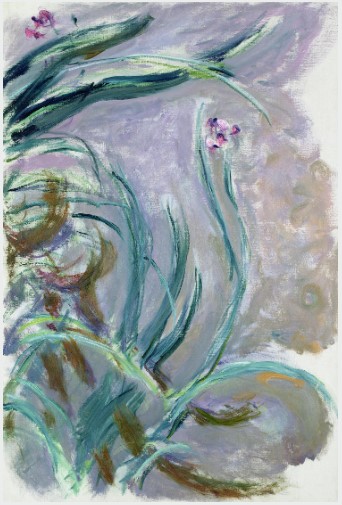
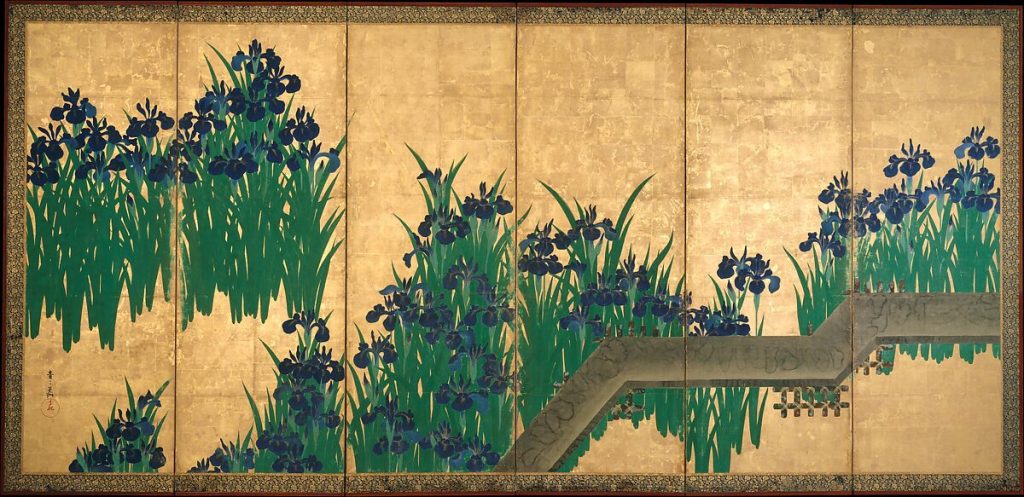
The iris is a genus comprising hundreds of species of perennial plants in the Iridaceae family, including bulbs and rhizomes. I. germanica and I. pallida with their blue and purple flowers are the species most often seen in perfumery. They have been used for cosmetic and medicinal purposes since Antiquity, while their name has Greek roots: ιρις denotes to the goddess of rainbows, a reference to the different-colored petals belonging to different species.1Jacques André, Les noms des plantes dans la Rome antique [Plant Names in Ancient Rome], Les Belles Lettres, 2010. Nevertheless, the plant’s flower is not central to its role in perfumery. Instead the focus is on the root, celebrated in the 1st century CE by Pliny the Elder in his Natural History (Book XXI), where he showed a preference for rootstalks from Illyria, then Macedonia and Africa. But the naturalist did not associate it with the violet, whose scent he praises in a different chapter, despite the fact that both plants contain the same signature molecules: irones. This olfactory similarity to the little purple flower earned the iris plenty of admirers over the years.
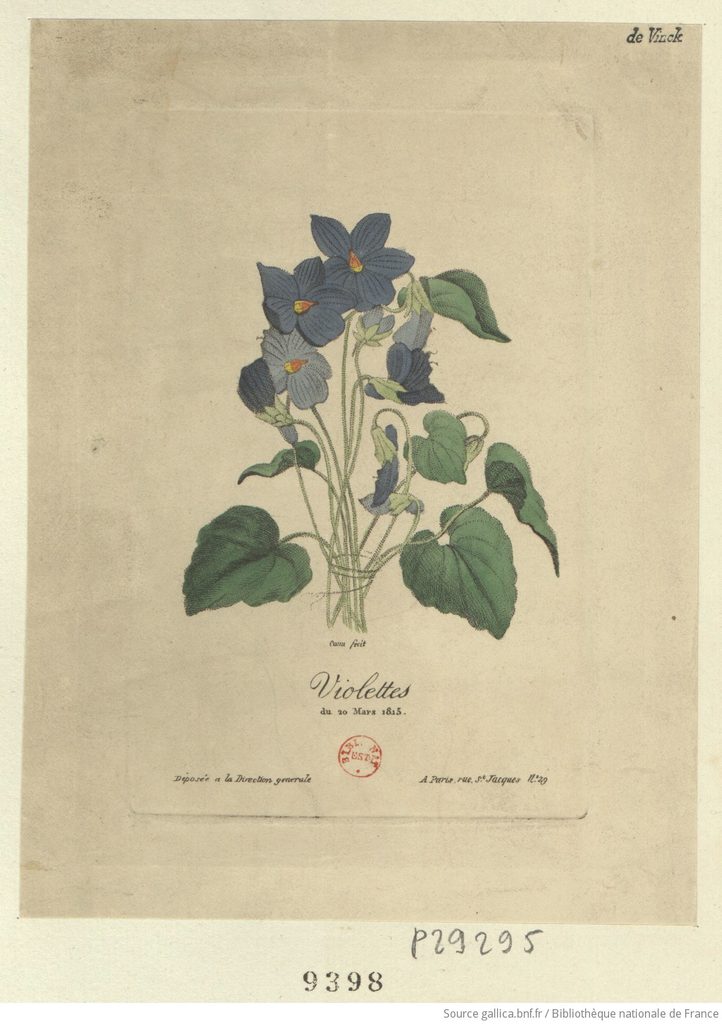
From a botanical perspective, however, the violet does not have much in common with the iris. A member of the Violaceae family included in the Malpighiales order, the sweet violet (Viola odorata) has also been in use since Antiquity for Egyptian funeral rites and Greek balsams. In the 18th century, the flower was extracted using enfleurage as well as ground to perfume royal powders. Grown in Italy and France, particularly in the Alpes-Maritimes and Toulouse regions, it was then processed using distillation techniques. But while it produced an enchanting aroma, its yield remained low, which quickly became a source of concern for modern-day perfumery and hampered industrial development. In the 19th century, the diseases affecting the plant and increasing popularity of other flowers gradually saw its use decline. The invention of volatile solvent extraction in the early 20th century produced a violet flower absolute. It is still used today although with nothing like the same olfactory profile as the flower, instead evoking moss, hay and leather.
The iris was beset with similar extraction-related problems. In addition to use of its infusion in fatty substances and in powder form, the first reference to orris root2More specifically, a co-distillation of iris and clove. distillation dates back to 1753, part of an eau de toilette created by perfumer François Dejean. The essence became a common feature in violet fragrances, encouraging the use of Iris pallida, rather than Iris florentina; the Iris pallida’s aroma is closer to the flower and it offers a better yield. The orris root was initially cultivated in Italy before being introduced to France in 1835. It was extracted as a resinoid then absolute launched by Établissements Chiris, and used in the form of essential oils, tinctures, co-distillation products, and powders. The price of orris root and subsequently of orris butter began its gradual upward trajectory in 1927.3La Parfumerie moderne : revue scientifique et de défense professionnelle [Modern Perfumery: a scientific review defending the profession], vol. 22, 1929. Once they are cultivated, orris roots also need processing, a lengthy affair: iridals become irones via slow oxidation after a post-harvest drying period of three to five years. The quantity of different isomers varies according to the species: Iris pallida contains more gamma-irones and Iris germanica more alpha-irones. Their composition also varies depending on growing and aging conditions, adding to the olfactory complexity of the whole structure.
Orris root cultivation declined in the late 20th century in both France and Italy due to the technical difficulties involved in processing it after harvesting, its low yields, and the choice to support tourism rather than agriculture. But it found new admirers in various other countries, from Morocco to China, Poland to Bulgaria, where product quality varied greatly.4To explore the history of iris in perfumery in more detail, we recommend you read the chapter written by Will Inrig in the LMR notebook on the plant. Laboratoires Monique Rémy then ushered in a new and important era in the 1990s.
The emergence of synthetic molecules: irones and ionones
Scientists began racking their brains to find a solution to the lack of violet floral essence. Research into iris essence dates back to the 19th century, with successive studies by Vogel, Dumas and Fluckiger leading to the discovery of myristic acid. However, one of the most interesting breakthroughs was the unearthing of ionone by Ferdinand Tiemann, Paul Krüger and Georges de Laire. Ferdinand Tiemann, determined to uncover the secrets of violet essence’s iris-like odor, turned to orris butter, “whose smell is similar to the violet, and, most importantly, was much cheaper at the time – although iris absolute is now prohibitively expensive,” explains Olivier R.P. David.5See the Odorama section on ionones written by Olivier R.P. David in Nez, la revue olfactive – #04 – Le parfum et l’art.
He worked with Paul Krüger to isolate irone and then attempted to synthesize the molecule. After a combination of trial and error and a happy accident, the patents for artificial ionones and methyl-ionones were registered in April 1893. The discovery turned out to be vital for modern perfumery, as Olivier notes: “These molecules made such a hugely important and revolutionary technical contribution to fragrances that they have featured in absolutely all compositions for more than a century.” In an article published by La Parfumerie moderne review in 1925, chemist Victor Boulez highlighted the “significant quantity of violet- and iris-scented products that are produced.”6La Parfumerie moderne : revue scientifique et de défense professionnelle [Modern Perfumery: a scientific review defending the profession], vol. 18, 1925. The molecules continue to make up for the absence of violet flower essence today as well as offering a solution to the high cost of products made from iris, currently one of the most expensive ingredients in the palette.
Inside the perfumer’s palette
Today’s perfumers have access to various different iris-scented ingredients. The resinoid (only present in Iris pallida) obtained by volatile solvent extraction, with low irone content, offers chocolatey, fruity notes. The essential oil resulting from hydrodistillation is solid at room temperature – when it is referred to as a concrete or butter — and distinguished by its earthy facets. Once it undergoes fractioned distillation, it produces an irone-rich absolute with a more powdery odor. Guerlain house perfumer Delphine Jelk mentions the existence of a tincture “with hints of chocolate,” “something we inherited from Jacques Guerlain, and we’re probably the last house to use it.” She also brings up orris butter, which, when “smelled in a pure state has an almost cucumber-like aroma. When it’s diluted, woody and powdery violet and red fruit notes emerge.” The perfumer sees it as a crucial ingredient, compatible with flowers as well as more unexpected materials: “There’s an almost endless number of possible combinations. Teaming it with rose gives you a very traditional but magnificent result, with an extremely feminine lipstick effect. The woody materials combination creates a more masculine iris. And associating it with orange blossom takes you into a more innocent universe reminiscent of talcum powder for babies. It also matches up really well with leathery notes. But I find that what brings out the very best in iris is fusing it with gourmand notes: vanilla, coumarin, chocolate (as in Iris Ganache), and dried fruits like hazelnuts or bitter almonds […] Iris makes a perfect partner for red fruits, giving them more naturalness – it’s also used as food flavoring to produce the same effect.”
Olivia Giacobetti reinforces the point about the ingredient’s diverse nature: “I like combining it with lots of different materials, sometimes with accords that are totally unrelated to iris or violet.” But she also underlines its textured effect: “Iris adds a uniquely elegant touch and a patina. I use it for its texture: even a suggestion of irone or orris adds a distinctive feel.”
Complementing the natural and synthetic irones in the perfumer’s palette are alpha-ionone, with its powdery, fruity violet and raspberry facets, beta-ionone, a more woody molecule with notes that conjure up tea, iris and honey, and the methyl-ionone family comprising ten isomers, each with their own olfactory nuances. Composition houses also offer accords and blends, including “Iralia (Firmenich), iso-raldeine (Givaudan), methyl-ionone gamma cœur (IFF) and the former de Laire iraldeine (now Symrise),” explains Olivier R.P. David.
More recently, highly complex specialty products have appeared on the market, such as Elixiris by Mane. The result of co-distillation of orris root and rectified cedarwood essential oil, it won the Most Innovative Ingredient at the World Perfumery Congress in 2026, demonstrating the attention these kinds of notes are attracting.
Iris fragrances of the past…
Starting with the first recorded use of iris in 1753 in François Dejean’s Artus and the violet’s adoption by all self-respecting fragrance houses, with Violettes d’Italie featuring in the À la reine des abeilles (now Maison Violet) catalogue as early as 1860 and a flurry of violet-themed launches from Roger & Gallet starting in 1880 (Violette de Parme in 1880, Violette ambrée in 1890, Vera Violetta in 1892, Violette merveilleuse in 1905 and Violette Rubra in 1910), iris notes became tremendously successful in the late 19th century. The many fine creations from the time include Coty’s L’Origan in 1905 and its use of Iralia, which influenced Jacques Guerlain’s composition of his powdery floral Après l’ondée launched in 1906, as well as its no less marvelous little sister, L’Heure bleue, a honeyed, ambery 1912 release. A few decades later, a number of iconic powdery and cosmetic fragrances followed in their footsteps, such as Ombre Rose from J.C. Brosseau (Pierre Bourdon and Françoise Caron, 1981), Soavissima from Profumum Roma (1996) and Teint de neige from L. Villoresi (2000). Jacques Fath’s Iris Gris (Vincent Roubert) launched in 1947 became a benchmark for perfumers. Delphine Jelk likes it for its “divine iris-peach fusion. The fruity aspect is appetizing and appeals to everyone, while the iris is a precious, noble ingredient that gives the peach a velvety, natural, glamorous feel.” Perfumer Julien Rasquinet describes it as having “mythical status for perfumers.” He also cites Chanel’s N°19 (Henri Robert), “a far greener, crunchier version of the iris with hyacinth and galbanum,” also a favorite of Olivia Giacobetti’s, who sees it as “the most chic, haute couture iris”, and the Iris Silver Mist from Serge Lutens (Maurice Roucel), another legendary iris creation launched in 1994, as “the most complete iris,” with its earthy, cold, buttery notes, the result of a remarkable quantity of iris absolute. Another fragrance worth mentioning is Dior homme, now renamed Dior homme original (Olivier Polge) and launched in 2005, still a must-have men’s fragrance with its woody, chocolatey, beautifully composed iris. Not forgetting Infusion d’iris from Prada (Daniela Andrier) released in 2007, which boasts one of the most delicate sillages and is, in Delphine Jelk’s words, “particularly impressive: it is highly distinctive and manages to the let the iris really shine, which is no mean feat.”
…and recent launches
While iris notes have featured in newly launched fragrances since the early 2000s, with various gems succeeding in carving out a place for themselves in a market full of sugary products, recent years have seen a rise in fragrances laying claim to violet and iris. The flowers tend to be cited as a selling point in a bid to evoke luxury ingredients rather than actually feature in compositions. But their popularity nevertheless echoes the quiet luxury trend espoused by the fashion industry. A trend characterized by the discreet signaling of wealth as part of a sober, timeless aesthetic used by the upper classes to set themselves apart from other classes, whose fondness for colors, monogrammed clothes and ostentation is now seen as “bad taste” – implying that good taste is the exclusive domain of the wealthy elite. It is hardly a coincidence that the Pantone 2026 color of the year is Cloud Dancer, an off-white directly linked to the “chromophobia” theorized by art critic David Batchelor,7 Chromophobia, David Batchelor, Reaktion Books: London, 2000. who explains that color is now associated with the vulgar. When compared to the woody amber- and glucose-boosted olfactory bombs invading the market and our daily lives, the iris note certainly stands out as a discreet, uniquely sophisticated treasure – in other words, embodying the Bourdieusian definition of good taste. As illustrated by this overview of recent releases.
Armonia – Anatole Lebreton – 2024 – €130/30ml
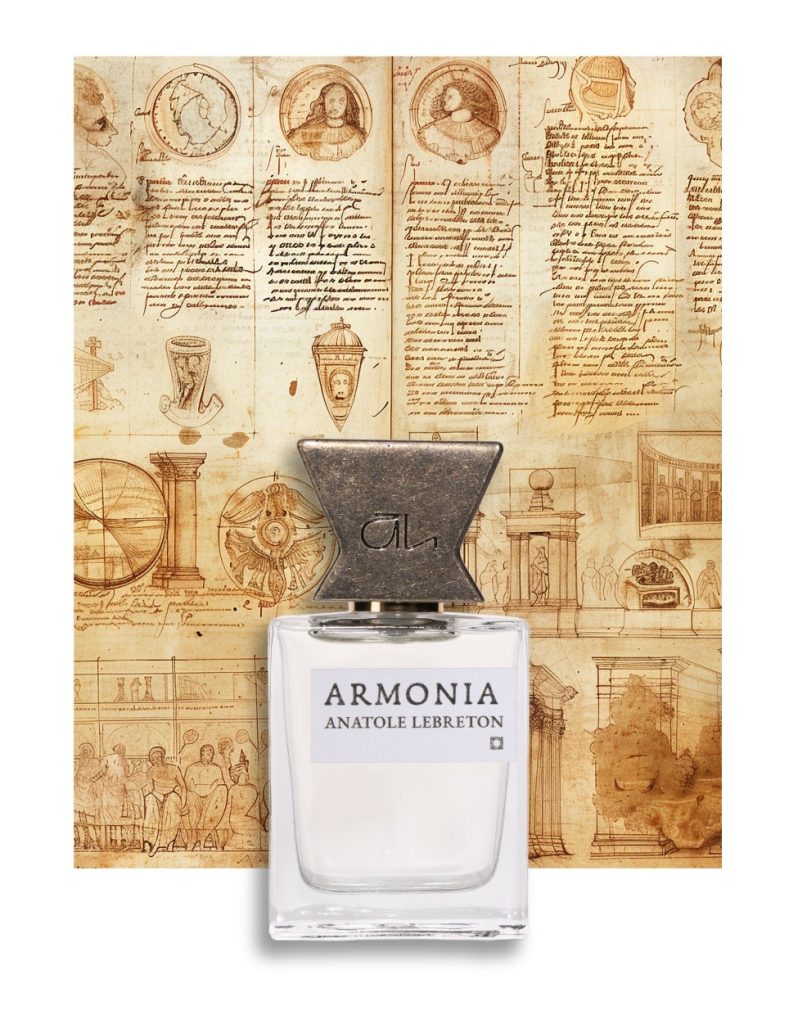
Launched in late 2024, Armonia is a lovely little gem of a fragrance, opening with violet facets and syrupy fruits, pear and plum, given a layer of sophistication by the intensely woody and powdery iris. Patchouli adds a warm, almost chypre feel, draping it beautifully like a long velvet gown.
Zurafa – Serge Lutens – 2025 – eau de parfum, €395/100ml
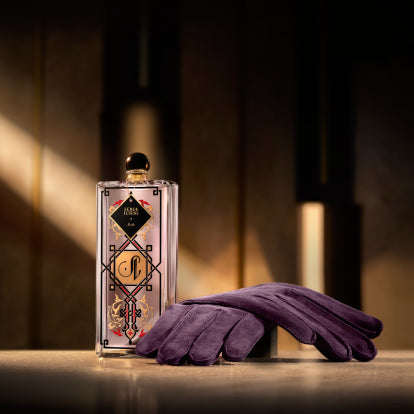
The opulent collection Au Royaume des Lumières is home to the gorgeous Zurafa, following in the silvery footsteps of its illustrious big sister, Iris Silver Mist. The orris root, oily as well as earthy, is initially redolent of carrot and ambrette seeds. But its base has more of an animal feel than its predecessor, leathery, spicy and smoky, almost dirty. A very pleasing paradox.
Meant to be seen – Nishane – 2025 – extrait de parfum, €105/15ml
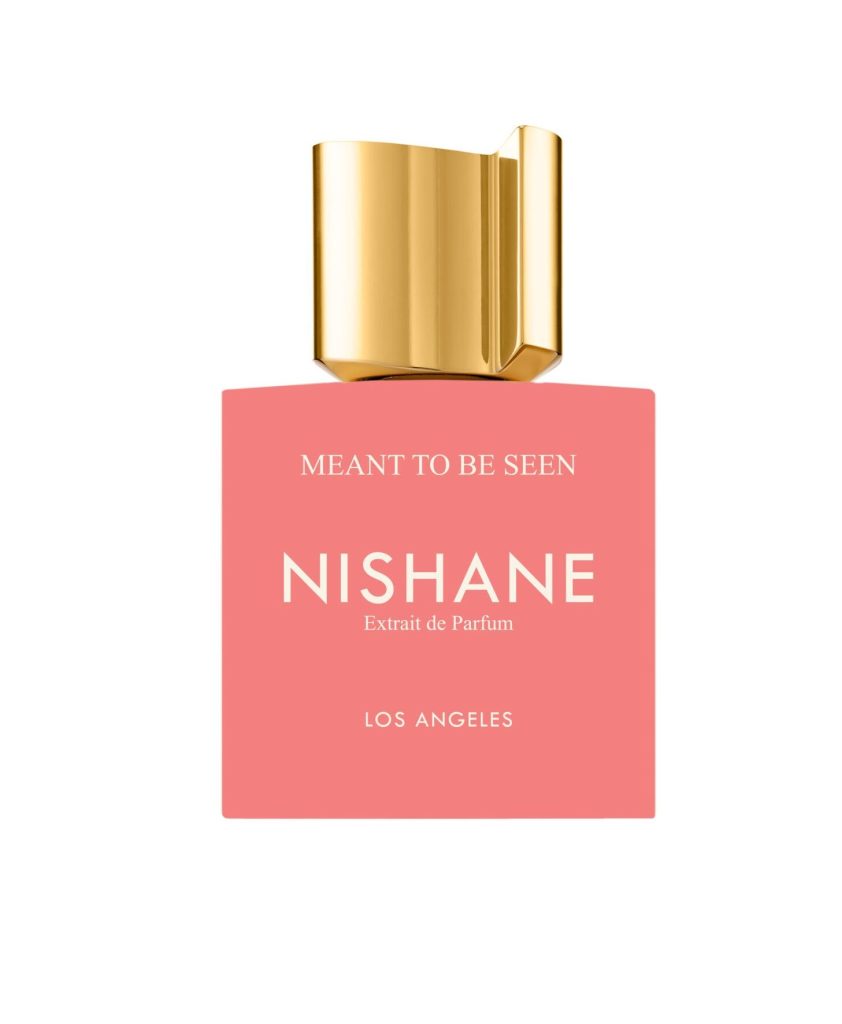
Meant to be seen, created by Jordi Fernández, displays a similar form of ambiguity. The composition opens with a powdery iris and syrupy violet. Then the fragrance unfolds into a clean linen accord, rounded out with a few touches of rose before embracing powerful, leathery, woody, ambery facets that give the composition a resolutely contemporary anchoring, with no hint of melancholy or nostalgia for the past.
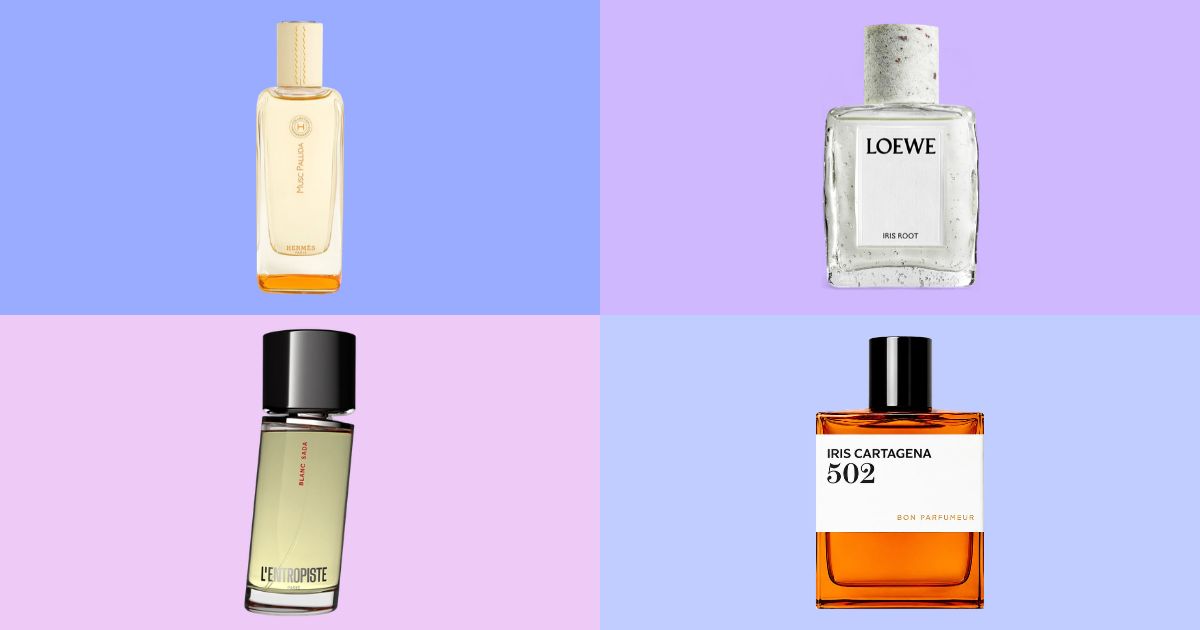
Blanc Sada – L’Entropiste 2025 – eau de parfum, €295/100ml
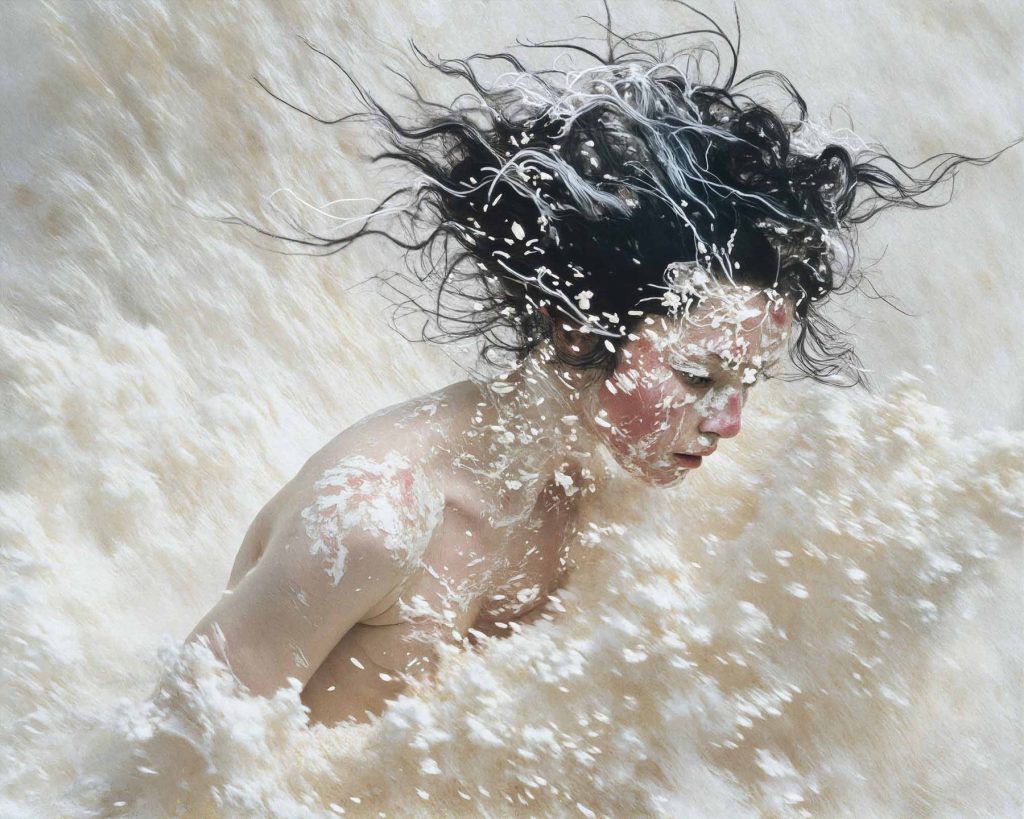
Bertrand Duchaufour launched his brand in 2025, creating a powder concentrate with a somewhat fruity opening that unfurls in a gust of persistent, almost linear iris and rice notes. The smell of talc and icing sugar emerges from the fragrance as a handful of milky facets conjure up the memory of Nivea cream. The press kit mentions the odor of tatami, but we have to say we didn’t detect even the slightest trace of it!
Iris root – Loewe – 2026 – €395/100 ml
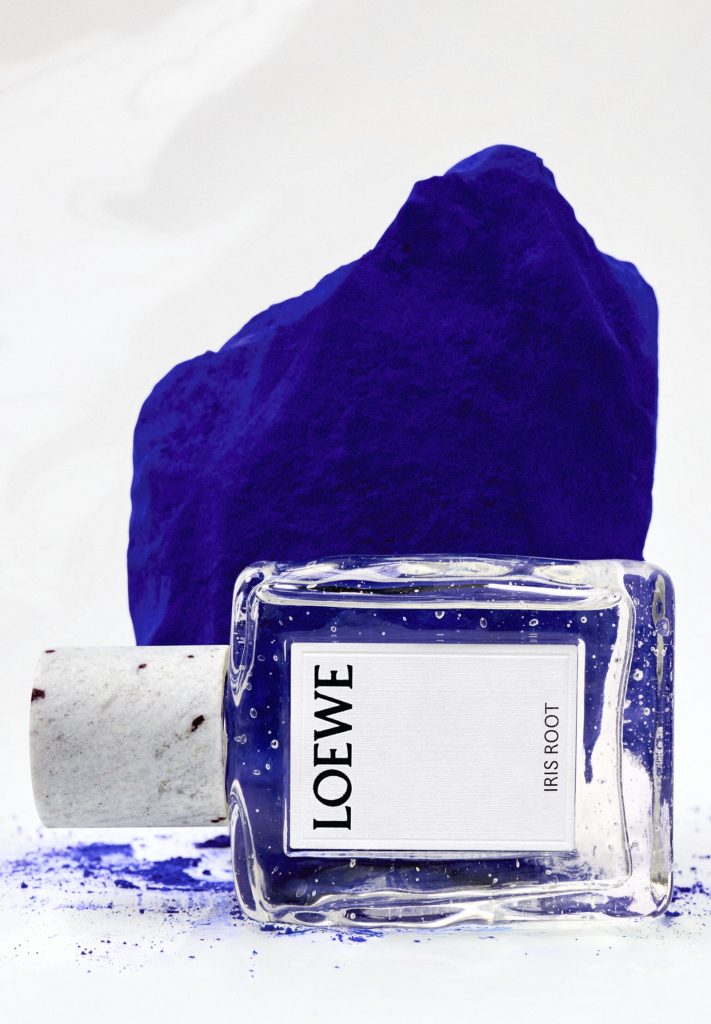
The brand has launched an exclusive range, The Crafted Collection, centering on rare ingredients. They include iris, featured in the first three releases. Iris root, created by Nuria Cruelles, has an opening imbued with fresh, green notes, midway between Timur pepper and angelica. The orris root is used for its intrinsically rooty aspect, producing an ambrette seed effect, warmed by woody notes evoking cedar. The price, on the other hand, leaves a bitter taste.
Musc Pallida – Hermessence – 2026 – eau de parfum, €350/100ml
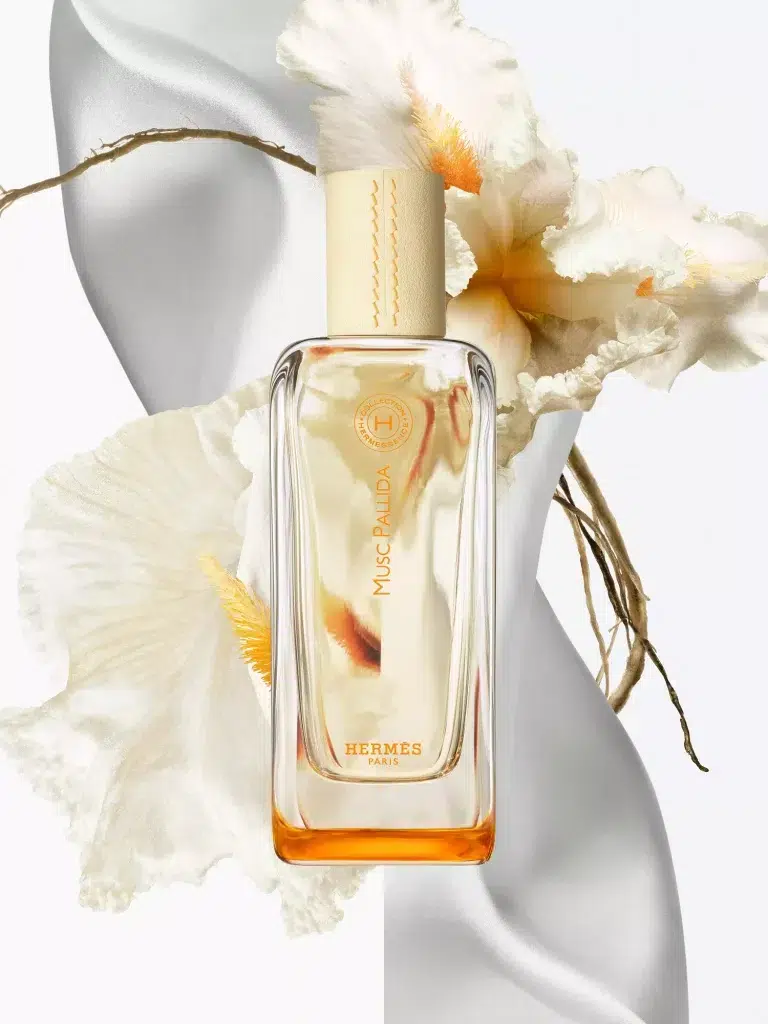
Following on from an extract and a cream, Christine Nagel has reworked Musc Pallida to produce an eau de parfum. The spicy opening warms the skin, preparing for a whisper of floral rose and iris notes under a mist of elegant musks. There’s a hint of juicy pear, a suggestion of luminous aldehydes, a trace of delicate heliotropin.
Violette 30 – Le Labo – 2026 – €305/100 ml
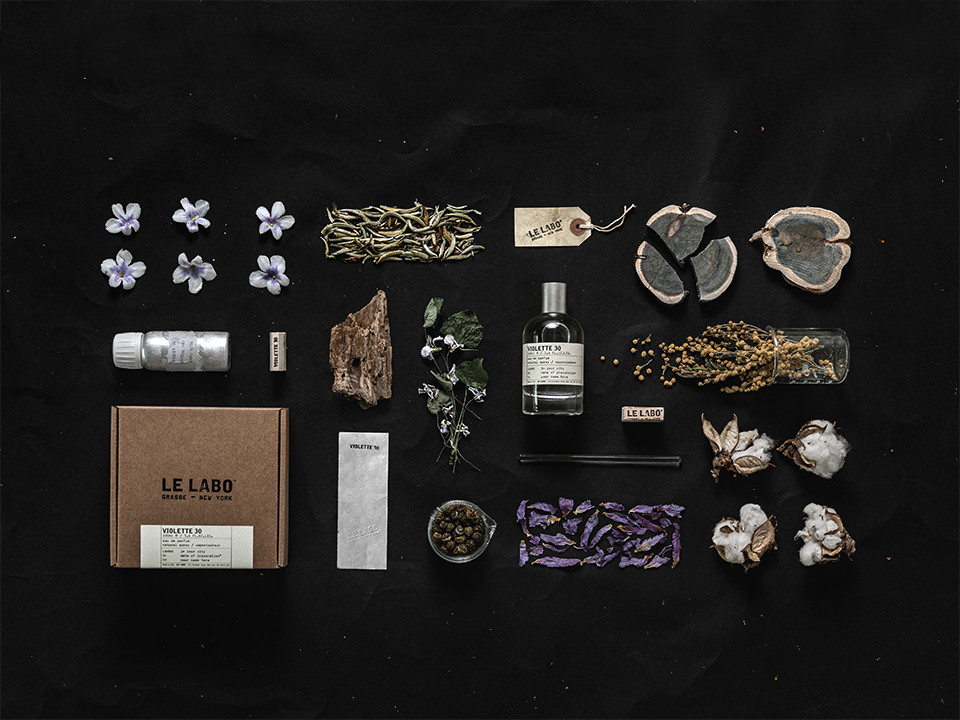
A fragrance which could well be ranked among the airiest of fragrances. The beautifully transparent interpretation of the flower, floating on a tea accord, is described by the brand as centering on the white violet. A pleasant enough concept warmed by dry woods and spices, but we expected more originality and boldness for the price.
Velvet Violet – Dries Van Noten – 2026 – eau de parfum, €285/100 ml
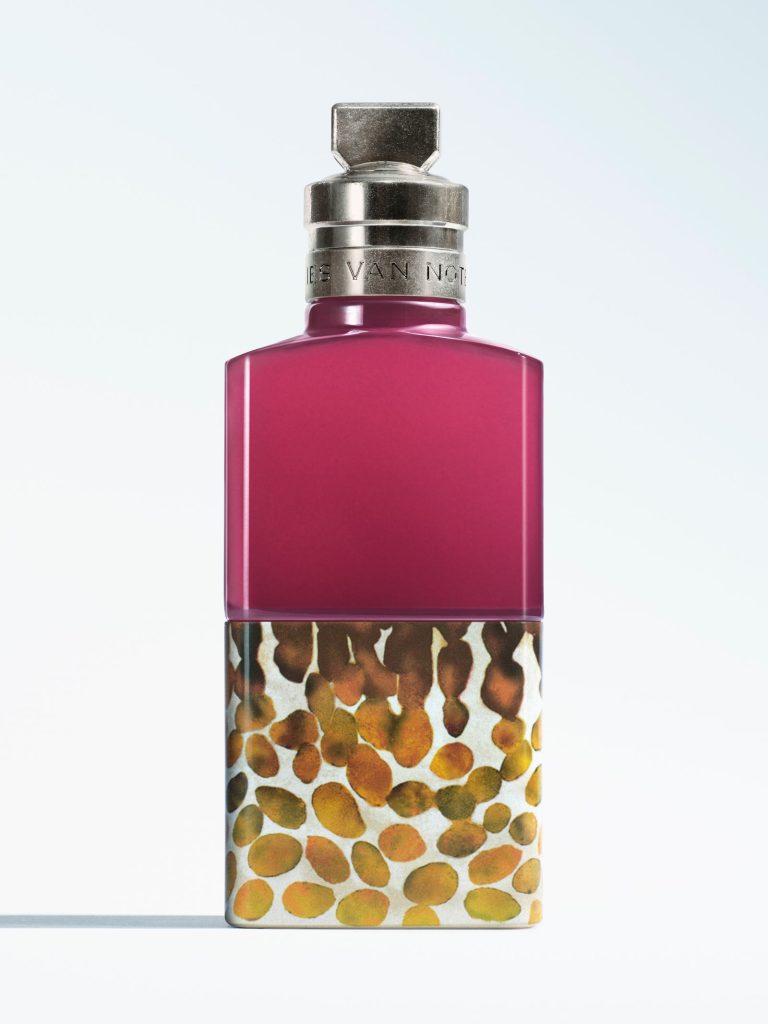
The flower is also showcased in the latest Dries Van Noten release, created by Gaël Montero. The composition opens with an intensely peppery violet, enveloped in green, syrupy notes. It then gives way to tonka bean and toasted, creamy notes redolent of sesame. Subtly smoky and woody nuances round off the structure, producing a velvety texture.
Matin tendre – Eione Parfums – 2025 – roll-on extrait de parfum, €69/15 ml
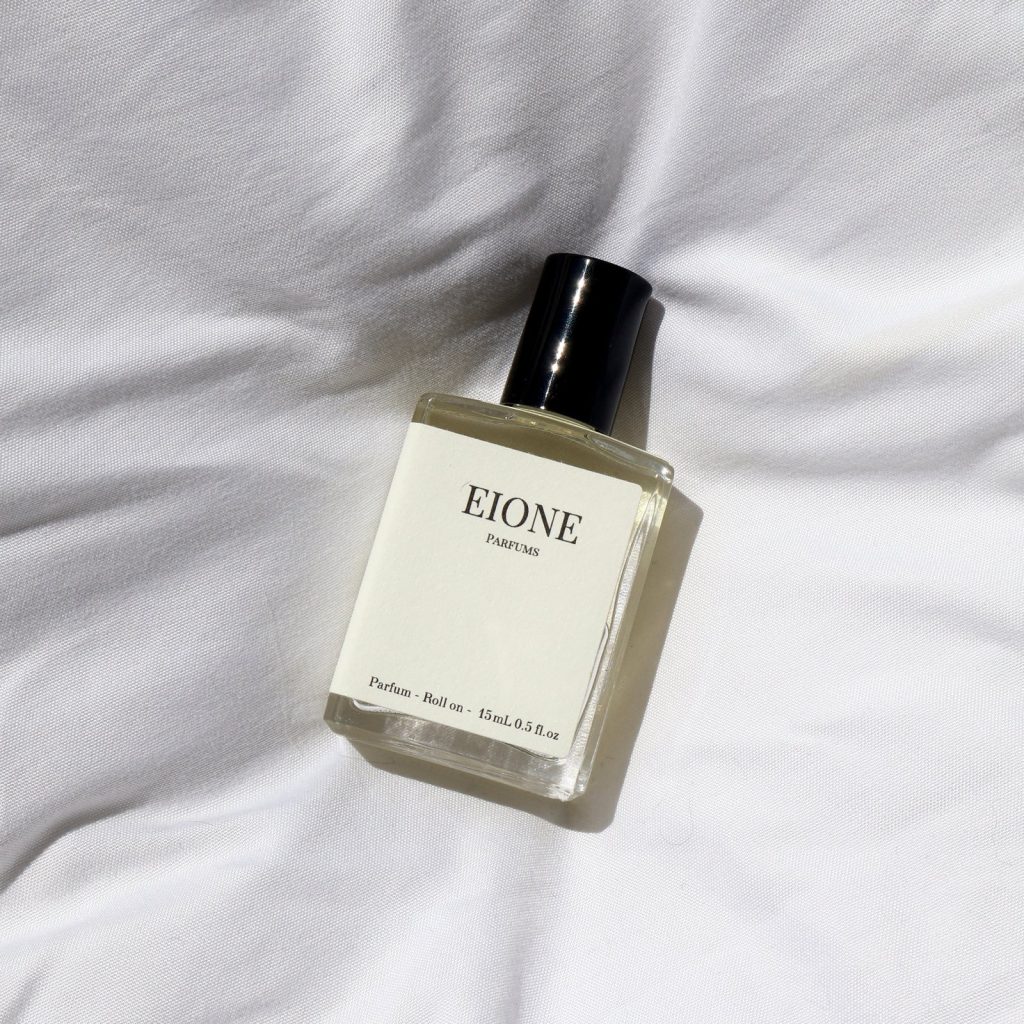
When perfumer Lucie Allain launched her brand Eione parfums, she opted for an environmentally responsible approach centering on oil-based formulas. The five first promising compositions include Matin tendre, a captivating fragrance that embraces both simplicity and elegance. It opens with a fig accord where green, milky facets echo matcha tea. A powdery, earthy iris gently brings an added layer of naturalness. The journey comes to an end in a wonderfully poetic flush of almond nuances.
Coffea – Jil Sander – 2025 – eau de parfum, €230/100 ml
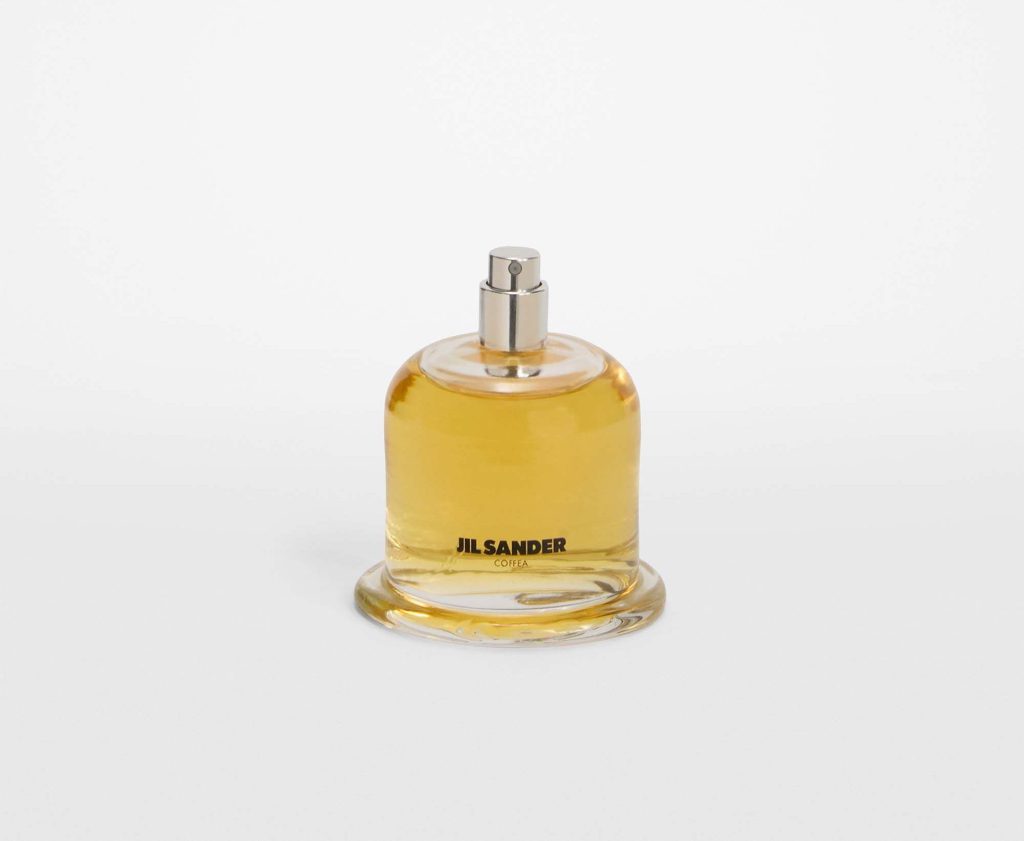
After its love story with tea, the iris embarks on a romance with coffee. This creation by Paul Guerlain features a creamy iris mingling with roasted coffee beans and their strong cappuccino aroma, which then has to compete with the powdery, floral and creamy facets of ionone, redolent of lipstick. The result is a fragrance offering an elegant mix of cosmetic and food notes.
Bonsoir Téo – Téo Cabanel – 2025 – €140/100 ml
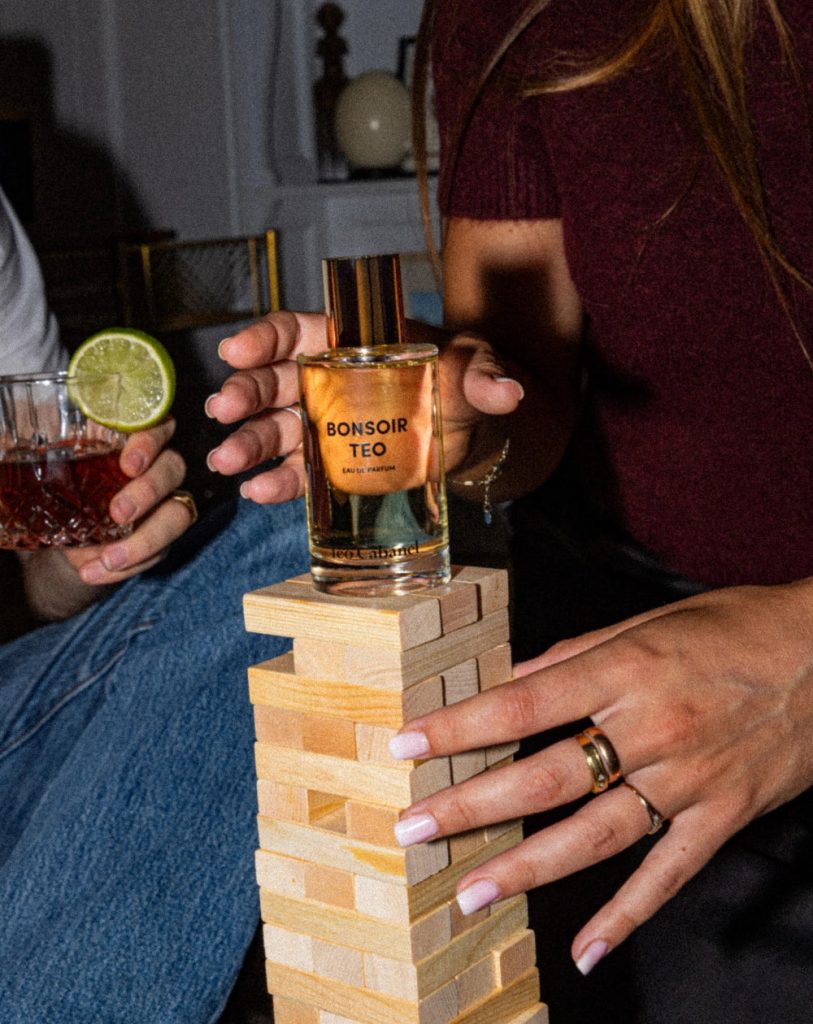
There isn’t far to go from espresso to cacao. Patrice Revillard revisits the brand’s classic fragrance with a chocolatey version of the iris, wrapping it in the syrupy facets of ambery rum. The gourmand feel is a success and the leathery base takes the entire structure in an animalistic direction while remaining highly wearable – at a more accessible price!
502 Iris Cartagena – Bon Parfumeur – 2025 – eau de parfum, €125/100 ml
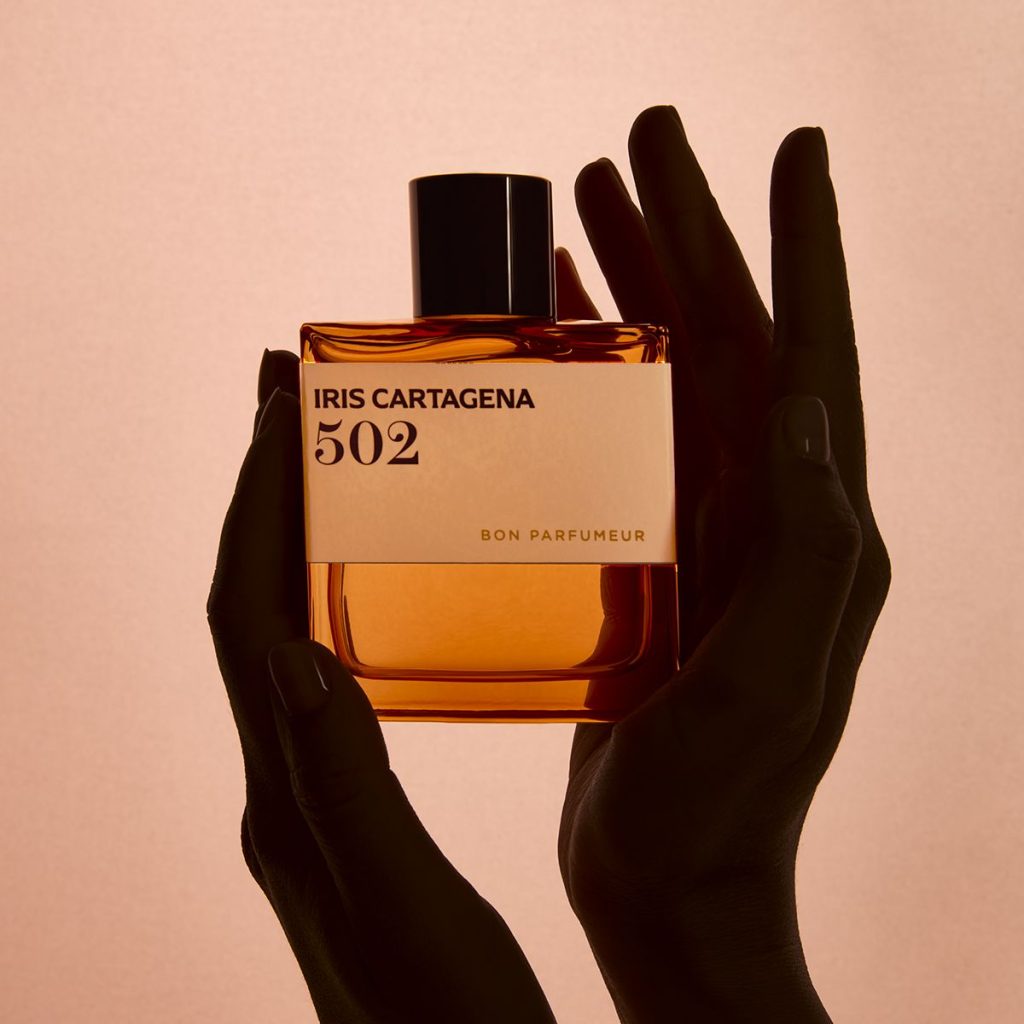
Cacao also makes an appearance at Bon Parfumeur. Following the extract released the previous year, Clément Marx offers an eau de parfum version that is fairly similar but with less sugar. The opening is more aromatic, bordering on the zesty. Next comes the gourmand bean, shaped by iris and its powdery, woody facets.
Albâtre Sépia – Première Peau – 2025 – eau de parfum, €240/45 ml
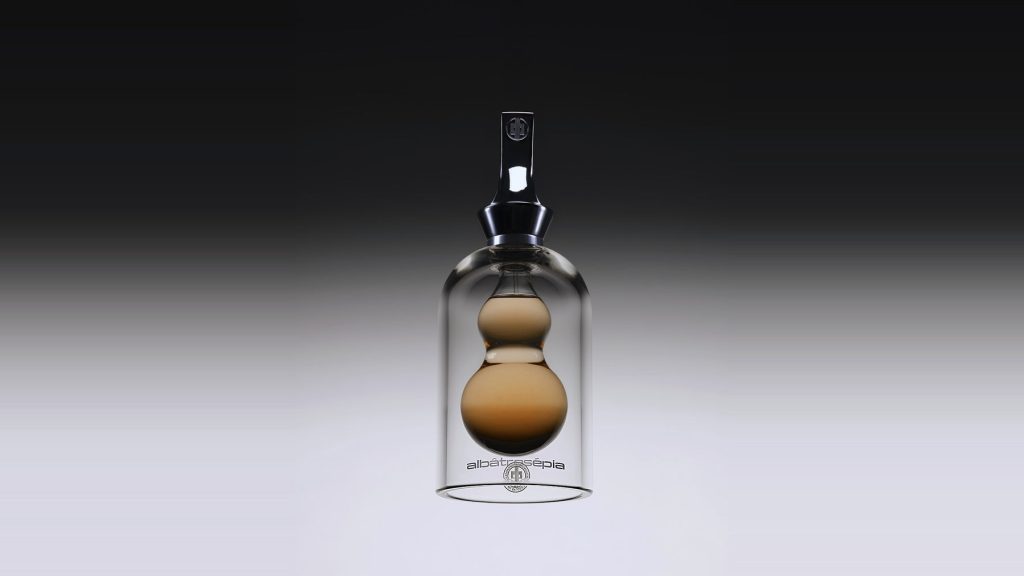
Chocolate follows on the footsteps of vanilla. The seven fragrances launched to mark the brand’s creation included two featuring iris. Albâtre Sépia by perfumer Florian Gallo, however, is essentially an interpretation of the vanilla pod, given a suede-like feel by an earthy, buttery iris with phenolic facets that bring truffles to mind — the white truffle, according to the press kit, though naturally the idea is to conjure up an olfactory image rather than offer a literal recreation.
In Doppel däncers by Claire Liégent, the accent is on the iris’ clean aspect, with its fruity, crunchy green apple opening and notes of musky white flowers. And there’s more, with the orris root also adding a trace of creaminess to the toasted sesame note.
Musc couture – Jacques Fath – 2025 – €134/100 ml
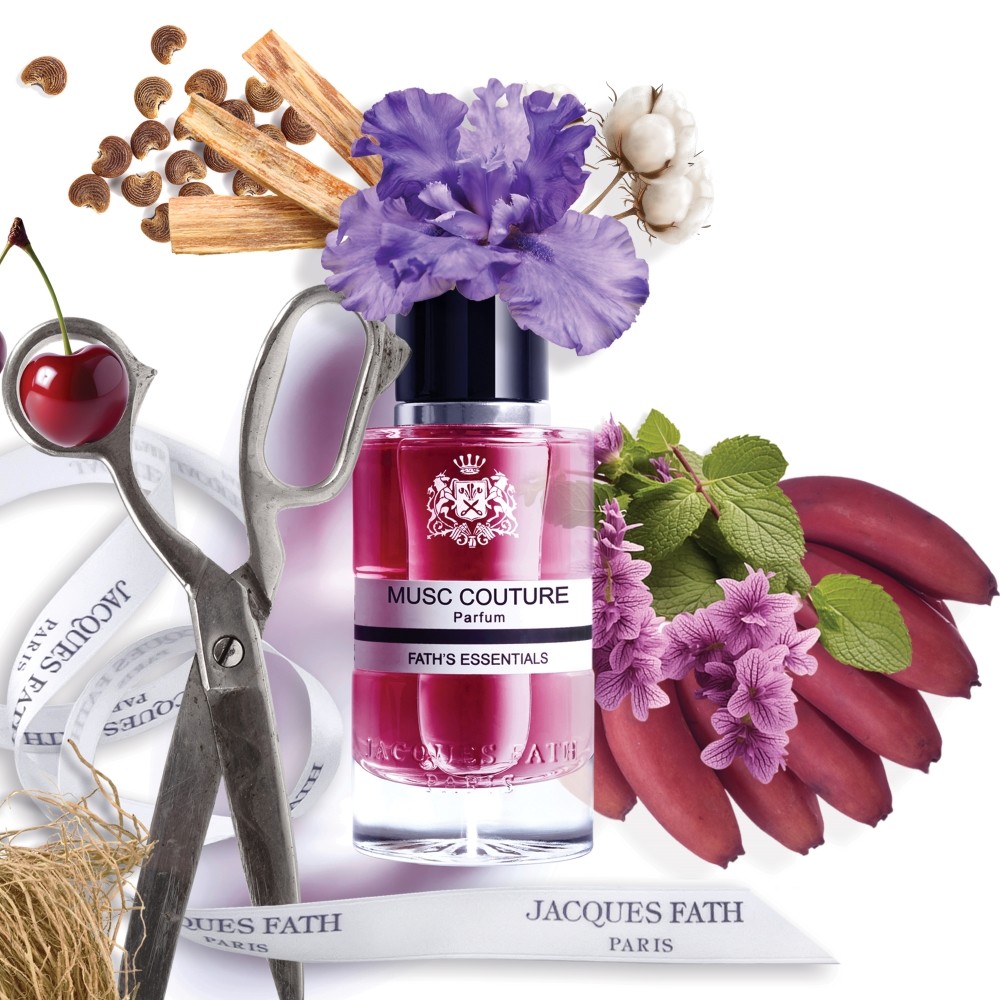
Fath also opts for an appetizing approach. After the sublime eau de parfum L’Iris de Fath created by Patrice Revillard in 2023, Musc couture pays tribute to the brand’s iconic ingredient. The fruity opening, with banana firmly center stage, gives no hint of the role played by iris, with Jean-Christophe Hérault keeping its presence discreet to create a powdery effect and add more depth to the composition with its ambery, vanilla-infused base.
Red Flag – Fascent – 2026 – eau de parfum, €55/30ml
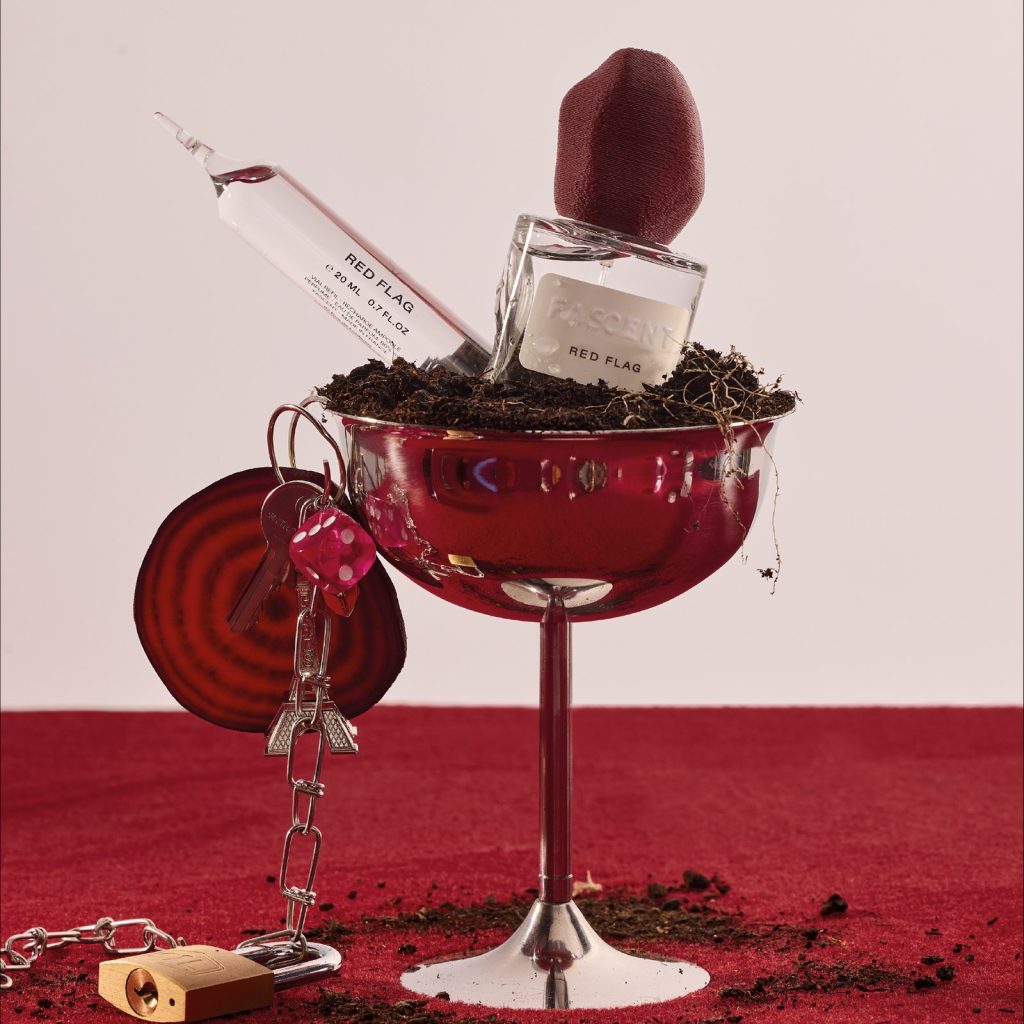
Fascent offers up a more innovative interpretation of the note. Red Flag, created by Marine Mercé, centers on beetroot, brought alive by the alliance of rose-scented notes, earthy iris facets, and juicy nuances evoking pomegranate. Cardamom brings freshness to the opening as the fragrance gradually evolves, becoming more and more creamy and smoky. A remarkably original but eminently wearable concept proving that inventiveness is not necessarily linked to price.
While perfumery seems to have embraced the quiet luxury trend, both in terms of ingredients and the often unaffordable prices of new releases, we can also see that the iris note’s versatile nature gives it a key role in compositions, thanks to the impressive array of facets it offers: earthy, creamy, powdery, floral and chocolatey. The iris and the violet, with the gift of moving between realism and impressionism, clearly have plenty more tricks up their sleeve – and a promising future ahead.
The perfumers’ quotations are from Orris in Perfumery, Nez+LMR The Naturals Notebook.
To find out more, see also Violet Leaf in Perfumery and the Odorama section on ionones written by Olivier R.P. David in Nez, la revue olfactive – #04 – Le parfum et l’art.






Comments