Madagascar, a perfume paradise

The golden isle lying in the Indian Ocean is where the red soil of Africa and the rice fields of Asia meet. A happy encounter that has given the island its unique botanical character: 90% of plants that flourish in Madagascar grow nowhere else in the world.

Frankincense: the journey of an age-old material

While frankincense has always been part of the changing face of fragrances, it has taken on a new role in the modern perfumery landscape. Its journey reflects both a shift in aesthetics and a change in perspective. An age-old material that has become one of the most relevant voices in contemporary niche perfumery.

Smell Talks : Gowé, a natural ingredient from Africa

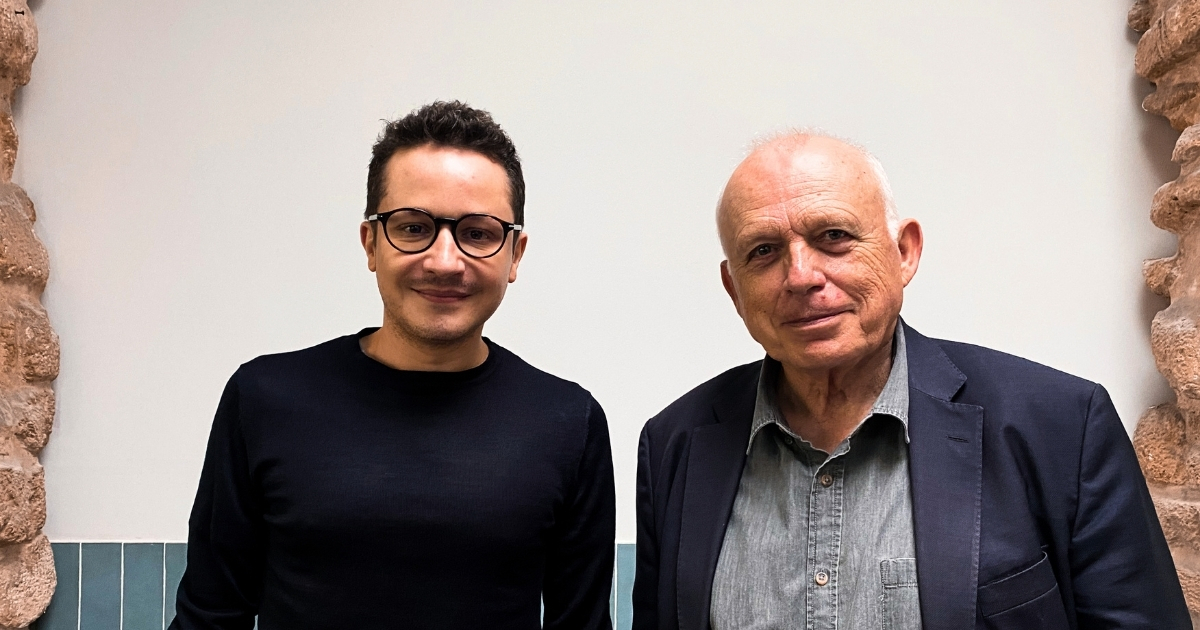
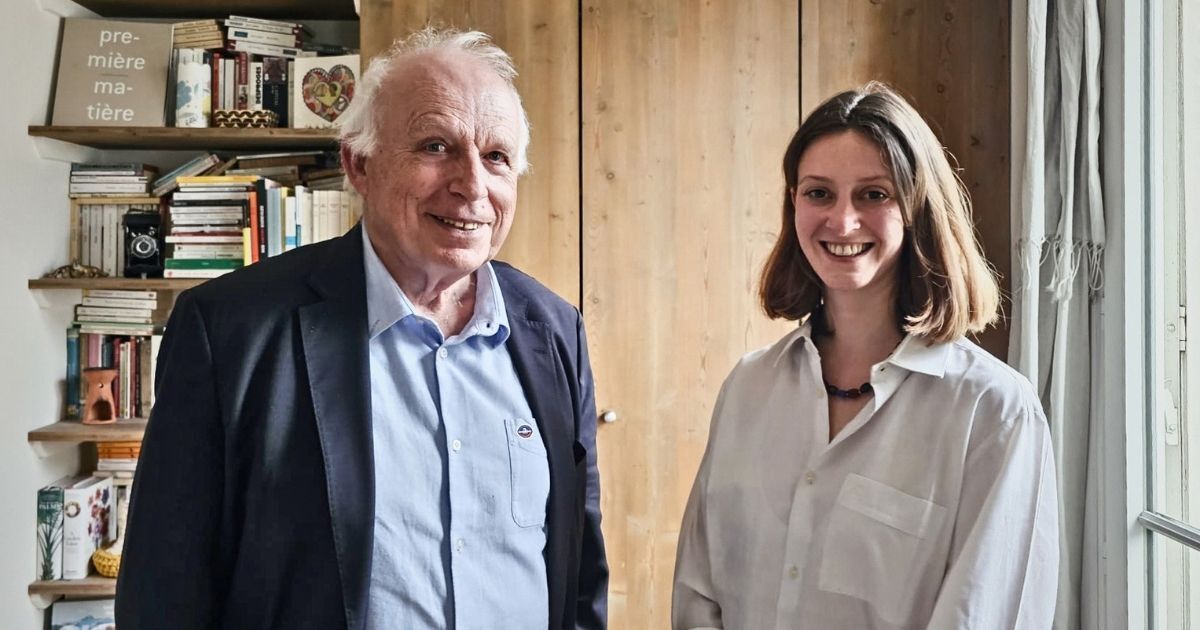
Dominique Roques, a long-standing sourcer of natural ingredients discuss with Julien Rasquinet, Senior Perfumer at CPL Aromas and Francesca Bonati, Associate Director for Fragrance Development at Amouage about the arrival of a new natural ingredient in the perfumers’ palette, gowé.

Gowé, the scent of Africa

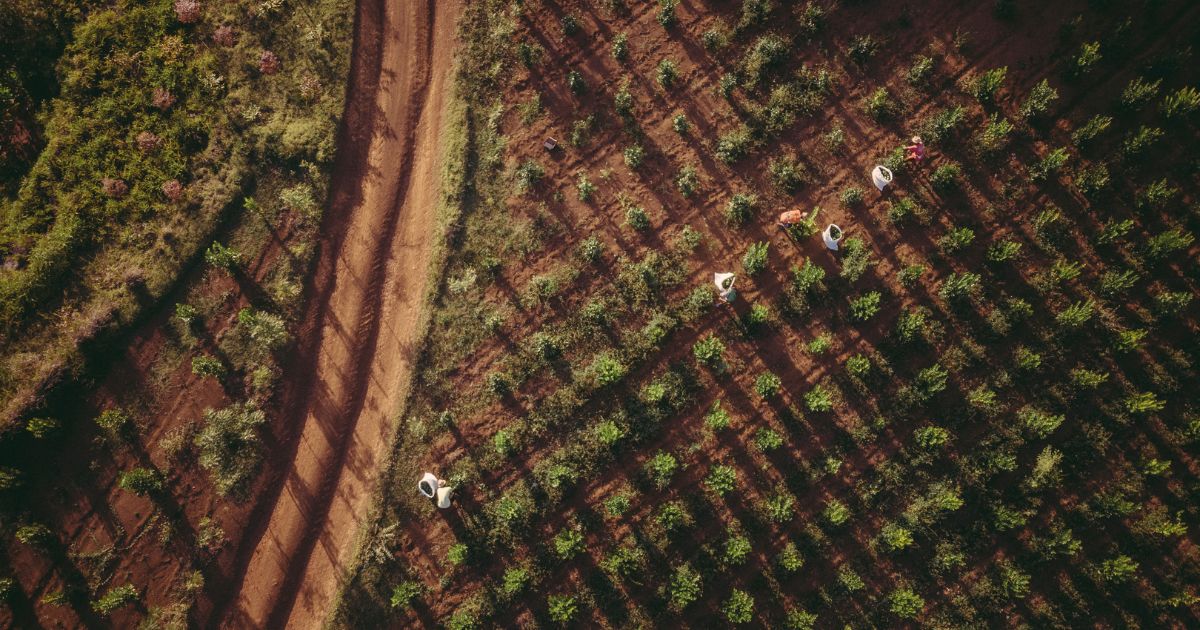
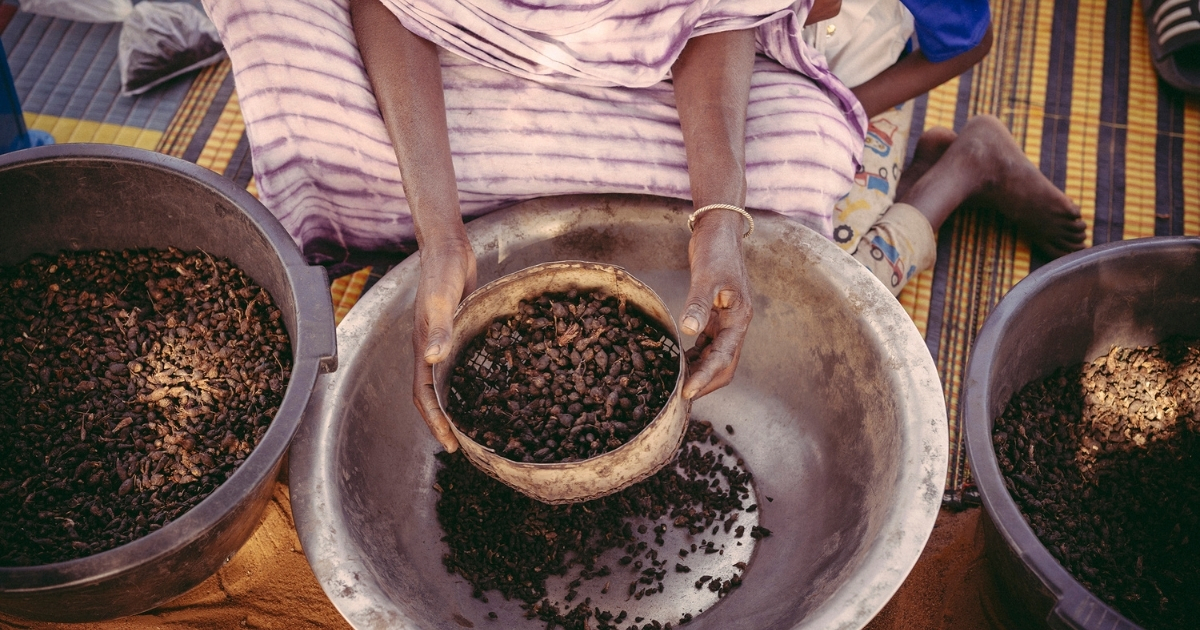
Gowé is a very popular plant in West Africa, valued for its healing properties as well as for being burned like incense. An extract from the tubers, harvested using traditional methods in northern Senegal, was recently developed.

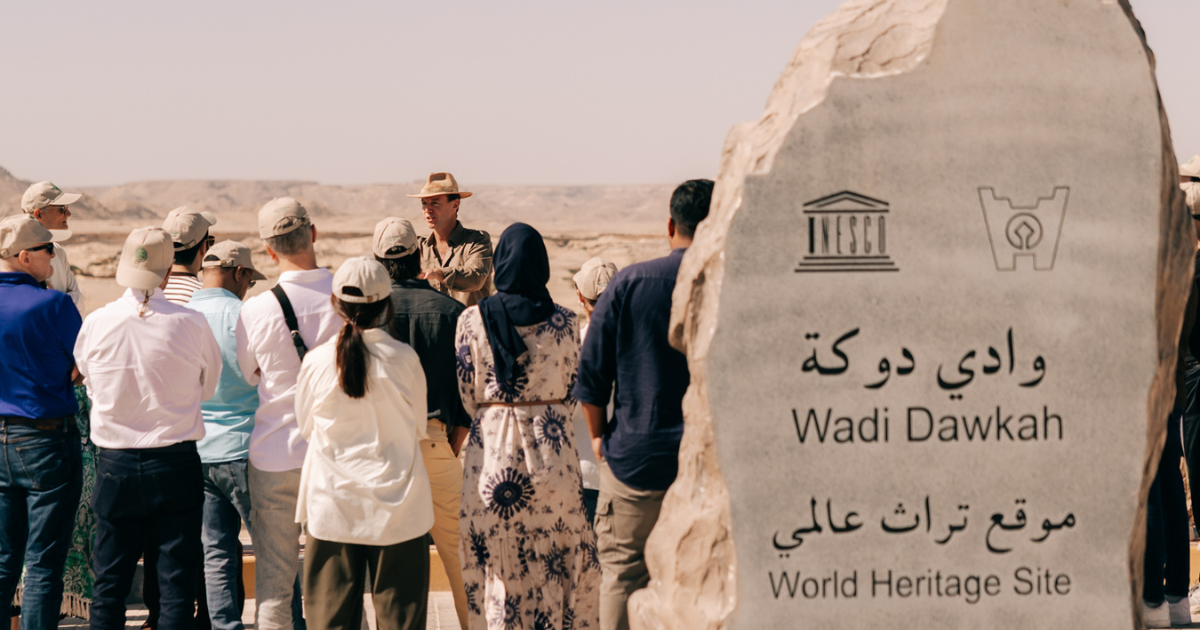
Wadi Dawkah, a safe haven for frankincense

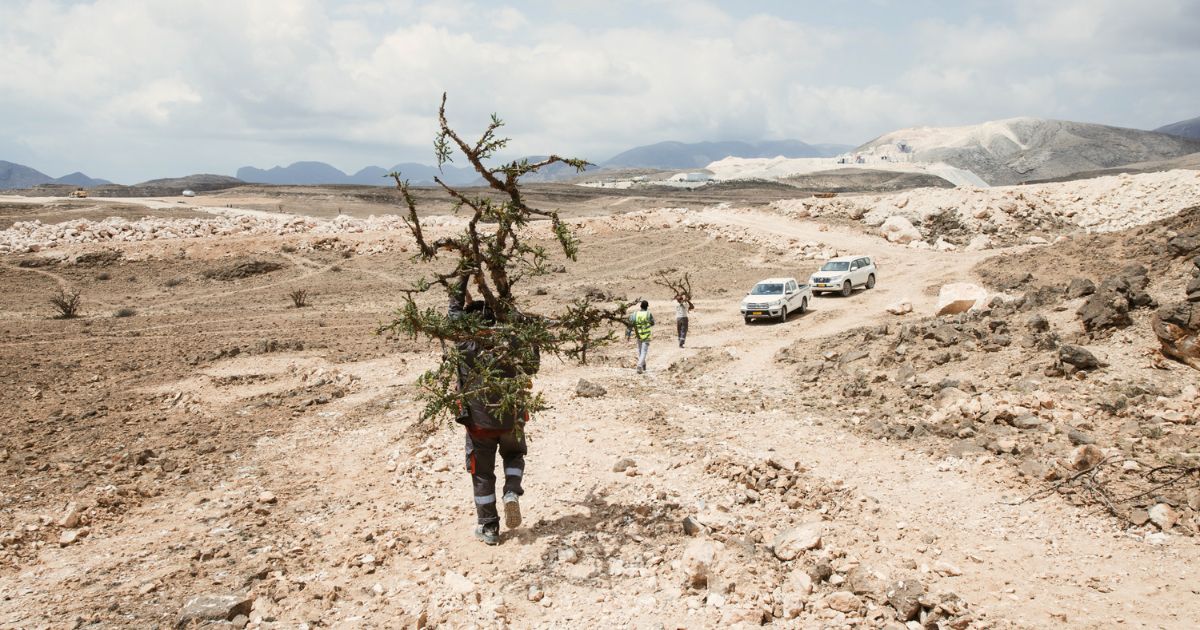
The project, run in close cooperation with the Omani government, which began after a historic agreement was signed between Oman’s Ministry of Heritage and Tourism and Amouage in September 2022, aims to protect one of the Sultanate’s most iconic treasures.

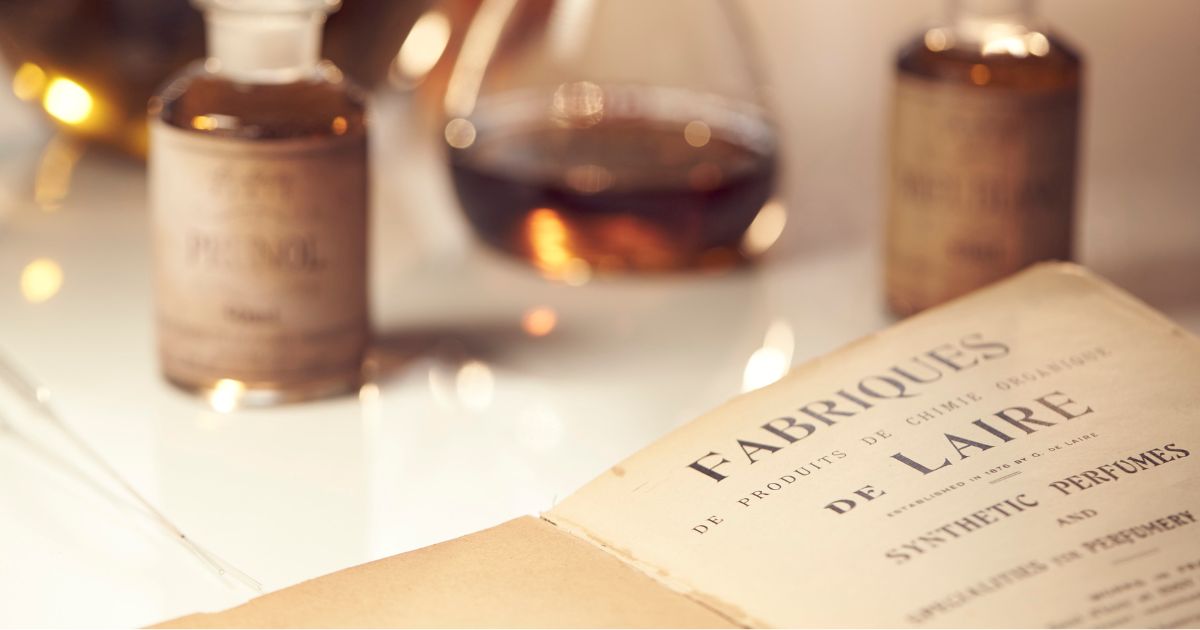
De Laire bases: a 150-year revolution

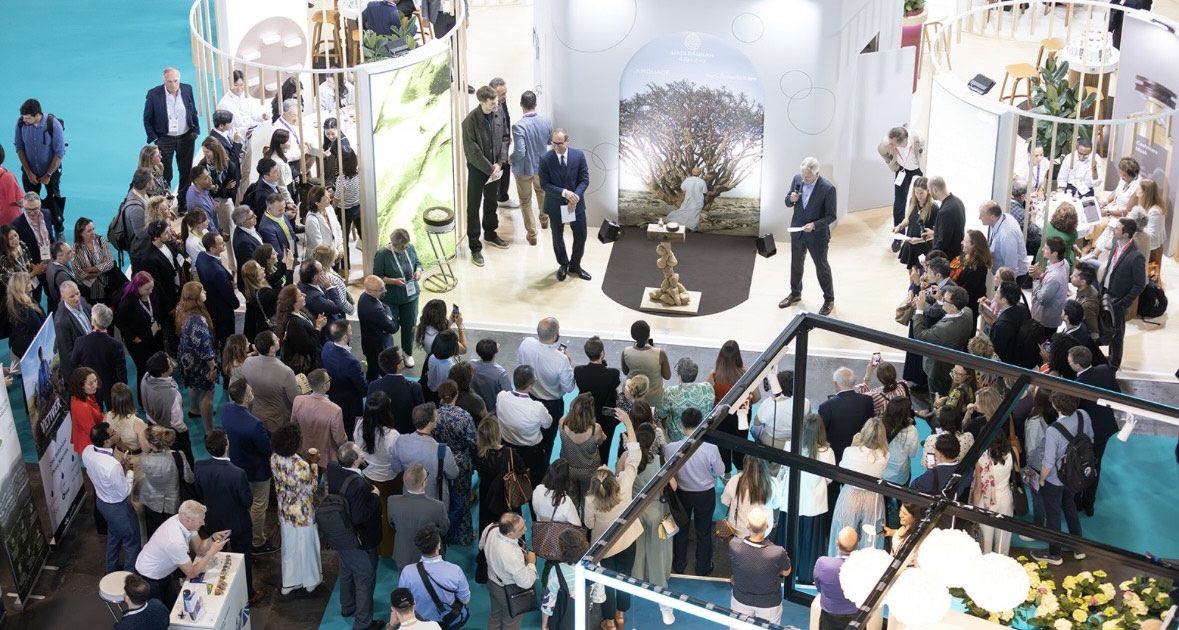
The Smell Talk at Palais Brongniart during Paris Perfume Week dedicated to the de Laire bases attracted a crowd of over 150 visitors, keen to listen to Symrise perfumers Aliénor Massenet and Pascal Sillon recounting the bases’ long history – and get the chance to smell some of them.

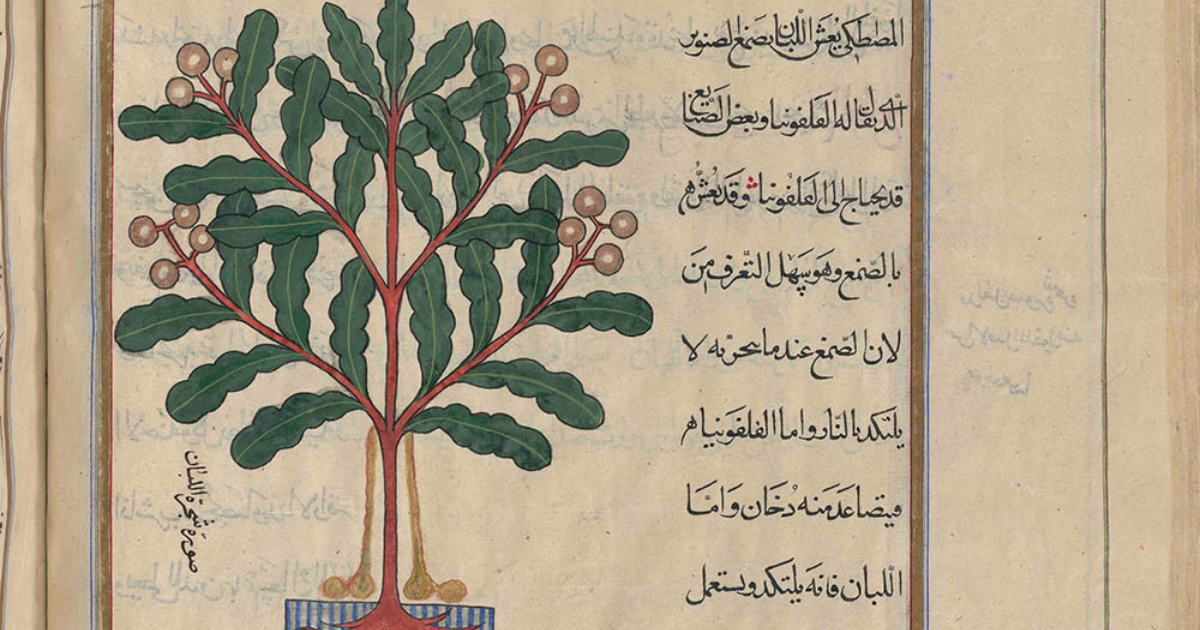
Boswellia sacra in images and the imagination

Tracing the history of the frankincense tree through images allows us to follow how humans have perceived, utilized, and imagined it over millennia. From ancient reliefs to botanical plates, these representations tell a story that is as much cultural as it is natural.

In Wadi Dawkah, the “Omani Grasse”

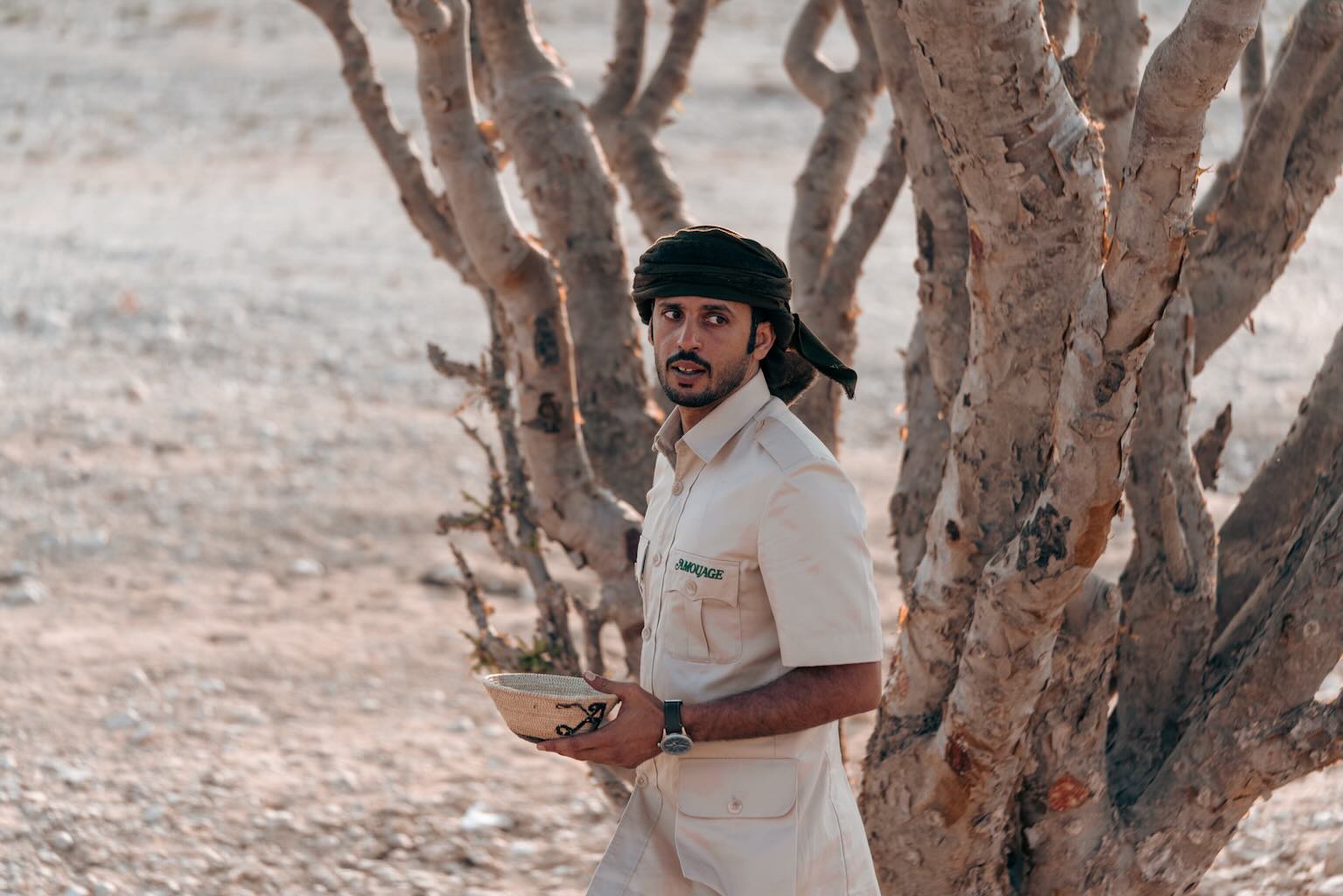
In a corner of Arabia Felix – “Happy Arabia,” the Latin name used by geographers to refer to South Arabia – lies the cradle of frankincense: Wadi Dawkah, 3,500 acres at the heart of the Dhofar region, a rocky land in the south of the Sultanate of Oman, where thousands of frankincense trees grow.

Ayn Dawkah: the cornerstone of Omani frankincense

At the heart of Wadi Dawkah, the UNESCO-listed site and birthplace of Omani frankincense, Amouage has just laid the cornerstone of an ambitious project for a cultural center dedicated to the desert’s white gold.

Through smoke: Monotheism and Frankincense

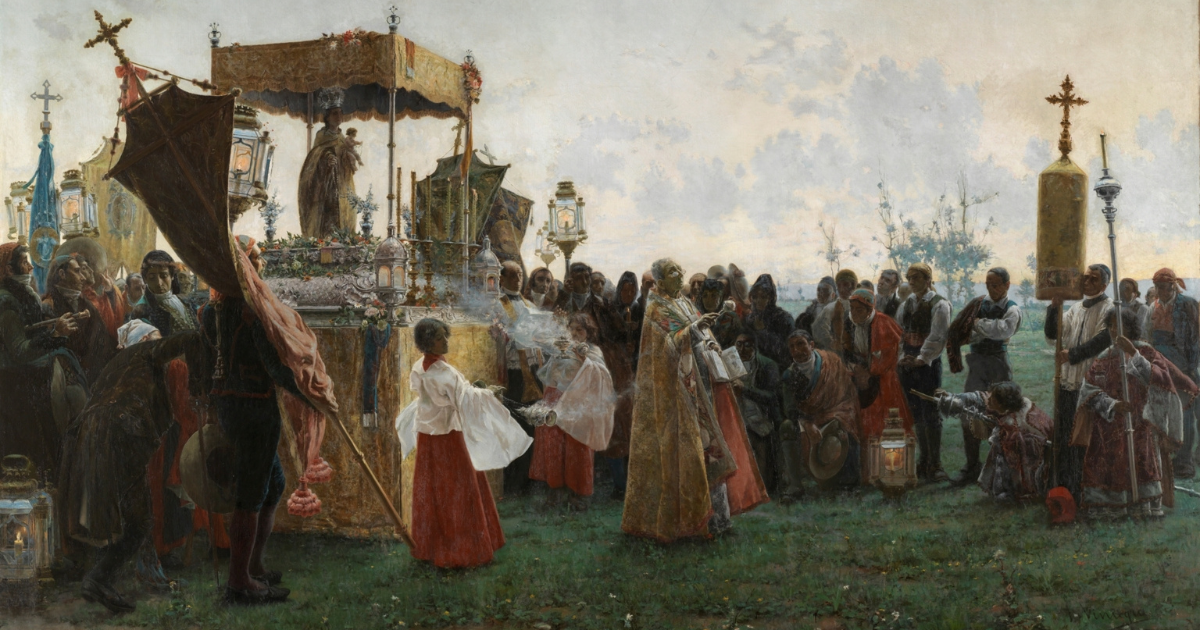
Ever since the Bronze Age, olibanum has played a central part in the rituals observed by many different civilizations. But while we tend to see incense-burning practices primarily as a way to connect humans to the divine, this sacred role does not exclude other, more secular functions, as illustrated by the long history of incense use within monotheistic religions.

Olibanum resin: a panacea?

In 2022, researchers at the center of natural and medical sciences at the University of Nizwa, 150 km from Muscat, managed to decipher the Boswellia sacra genome using DNA from fresh frankincense leaves. An achievement that owes much to the perseverance of the Omani scientific teams.

Eurofragance, active in captives

In an industry where olfactive differentiation is the ultimate goal, the major composition houses have long been developing molecules known as captives, which are for their exclusive use. For a few years ago, Eurofragance, a fragrance house located just outside Barcelona, decided to take the captives route to bolster the unique character of its creations, among other objectives. A voyage into the mysteries of the never-ending quest for fragrance innovation.

Oakmoss: an exemplary case of IFRA’s role

Certain iconic ingredients had to receive use restrictions – by IFRA Standards, government regulations or both – such as oakmoss. What problems do this ingredients poses? How has it been regulated? Matthias Vey, IFRA Vice President of Scientific Affairs, looks at the history of their IFRA Standards.

The great history of IFRA

In 1973, IFRA was founded in response to the need to harmonize practices and products in the fragrance industry to better regulate it, with a focus on human and environmental safety. An organization created by fragrance companies to ensure the safety of products for consumers and to defend the creativity of perfumers.

The quintessential scents of Oman

The hospitality of Oman is felt upon arrival at Muscat airport with a subtle, diffused scent of frankincense as Omani people know that if they want to create a tranquil atmosphere, they can turn to olibanum.

With the support of our principal partners