Cette publication est également disponible en :
 Français
Essences are not eternal. Technical processes for capturing the soul of a host of plants have continually evolved over the course of history. Stills have been improved, distillation perfected, extraction methods modernized: from volatile solvents to supercritical CO2, every innovation has extended the scope of creative possibilities available to perfumers. Then there are products like citrus fruits that always give their best in their simplest form.
Editorial partnership
Historically, hydrodistillation and steam distillation are the most common techniques for extracting volatile compounds from plants. The choice depends on the plant and the desired aromatic profile. Hydrodistillation involves immersing plant matter in water for an extended period to encourage the release of flavors, while steam distillation reduces the plants’ exposure to heat and preserves the most fragile aroma compounds.
Composition houses and their experienced chemists are always looking for new custom methods to take distillation a step further. “Raw materials are constantly reworked in laboratories,” comments Solène Homo, Global Product Manager Captives at Symrise. “Sometimes the aim is to remove undesirable molecules, at other times to enhance a specific olfactory facet and release its full potential.”
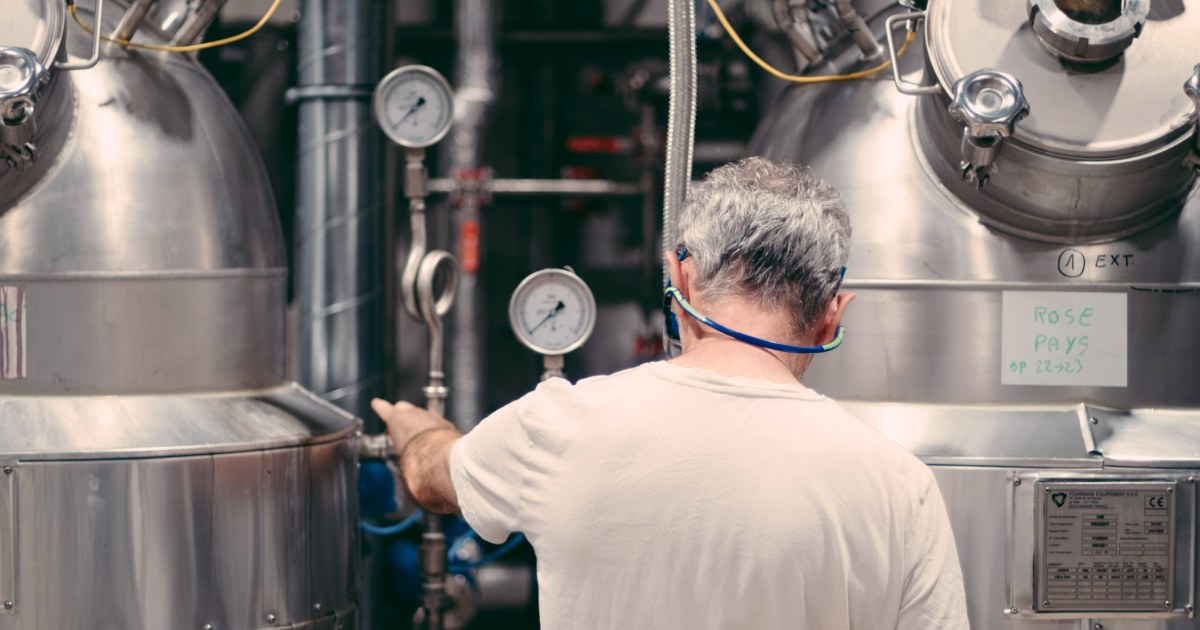
Molecular distillation occupies a special place in this panoply of technological know-how. Lautier 1795 uses the high-precision technology at its Saint-Cézaire site near Grasse, using ingredients from Madagascar in an extension of traditional steam distillation. The difference being that whereas steam distillation extracts an entire essence, molecular distillation is a meticulously applied technique that isolates, sorts and recombines molecules.
Purifying without altering
Specifically, after initial conventional distillation the essence is subjected to a high-vacuum process at very low pressure and controlled temperature. This separates molecules by weight and volatility without damaging them. The process makes it possible to remove only the compounds seen as undesirable or, conversely, to concentrate those incorporating the looked-for olfactory identity. Patchouli, for example, can be rid of its earthy, damp accents leaving only its more elegant facets to be worked on.
This surgical precision transforms raw essence into a palette of fractions with highly targeted profiles. Molecular distillation is particularly effective when working on citrus fruits. Applied to pomelo or bitter orange it eliminates furanocoumarins, photosensitizing molecules now strictly regulated by IFRA since they can cause skin reactions. The result? A purer, more luminous essence that has no constraints on its use and has lost none of its natural sparkle.
Vetiver is another good example. Alongside the traditional qualities brought out by pressure distillation or atmospheric distillation (see box), there is now a version made in Saint-Cézaire that uses molecular distillation to rework an extract from Madagascar. The woody and smoky facets in this fraction are joined by fresher grapefruit-like notes. This produces an airier vetiver that corresponds perfectly to today’s perfumery needs. In 2022, the smoky woody ingredient featured in over 70% Symrise wins!
Changing extraction techniques offers a way of tackling several challenges: refining an ingredient’s olfactory profile, making changes to comply with regulatory constraints, and compensating for the increasing scarcity of certain raw materials. Simplify, adjust, purify. The same goal underpins these different transformations: to offer perfumers increasingly safe and expressive raw materials that can meet the needs of the contemporary market without forsaking the richness of the living world.
Atmospheric vetiver, roots and renewal
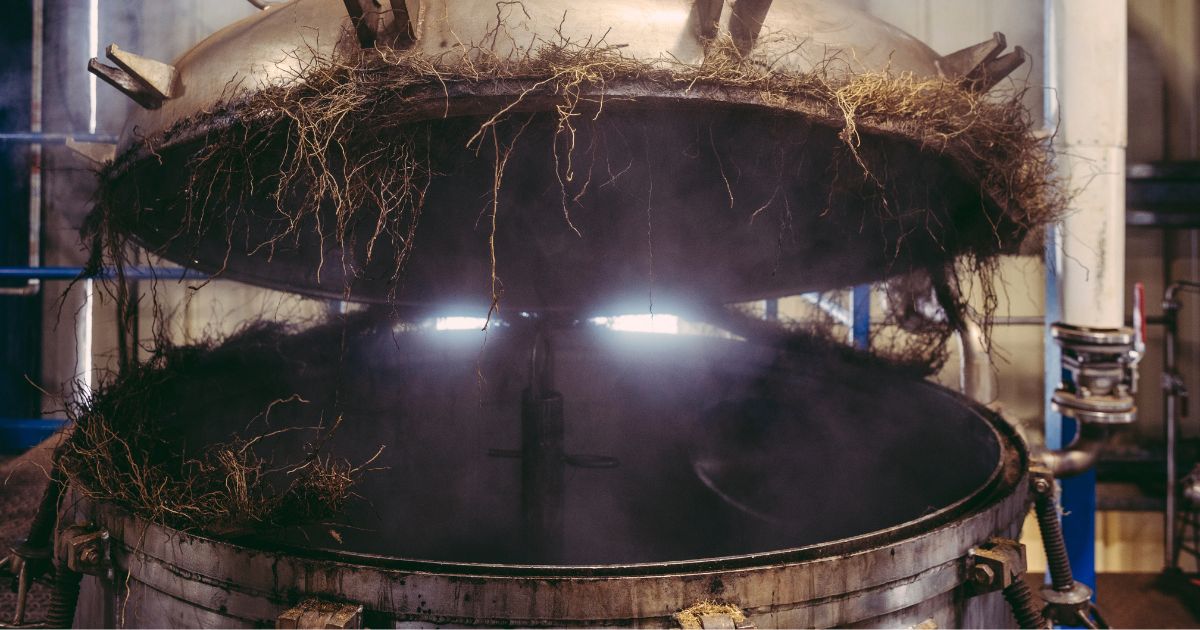
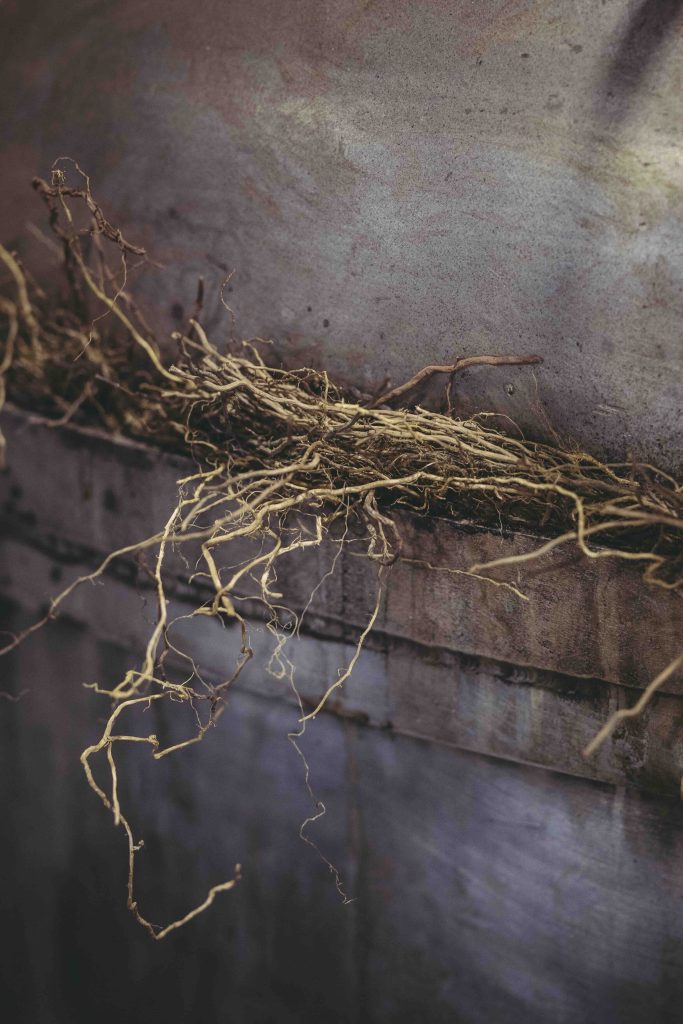
Vetiver roots are traditionally processed using pressure steam distillation. This is a powerful but lengthy and costly technique that requires special stills and can be extremely dangerous if not perfectly controlled. Symrise Madagascar runs this highly challenging process at the Benavony factory. The resulting vetiver essence stands out for an olfactory signature with a smoky, leathery feel, midway between the profiles of Haitian and Javanese vetiver.
Seven years after the introduction of traditional vetiver, Lautier 1795 is adding a new variation to its catalogue, further broadening the olfactory territory in-house perfumers can explore. Atmospheric vetiver was included in the essences catalogue in December 2025. So what makes it special? Atmospheric pressure distillation is a gentler process that can be carried out in the field, as close as possible to where the recalcitrant root is harvested.
This change has transformed the way the raw material is processed: less centralized, more entrenched in the land. “It means we can be more flexible,” explains Clément Cabrol, Head of Raw Materials Purchasing at Symrise Madagascar. “Distillation can take place just about anywhere in the island’s northeast Sava region, and we don’t have to transport the roots to the factory.”
Atmospheric vetiver produces lower yields since the roots are subjected to less pressure, creating a more expensive essence. “But when the yield varies, the olfactory profile changes too,” says Clément Cabrol. The quality of the fraction obtained is naturally richer in vetiverol, a molecule that plays a key role in vetiver’s olfactory profile and has long served as a benchmark for assessing the ingredient’s quality. The upshot is a fresher, more vibrant essence with zesty hints of grapefruit, similar to Haitian vetiver, prized for its luminosity. The Caribbean island’s fragile political and social situation1 make the Madagascan alternative even more valuable and strategic for a fragrance industry always in quest of sustainable solutions that do not compromise olfactory quality.

Visuals : Romain Bassenne
- The article originally referred to “and disappearance of its vetiver supply chain” this wording was removed (updated October, 1st 2026) ↩︎








Comments