Cette publication est également disponible en :
 Français
Grasse-based Maison Lautier 1795, founded in the late 18th century and owned by Symrise since 2022, is heir to a long tradition of transforming natural ingredients for perfumery. It is now exploring new extraction techniques that meet today’s demand for sustainability while staying true to the spirit of traditional methods. Benoît Join, Director of Natural Resources and Oral Care at Symrise, shares his insights.
Editorial partnership
A cold-filtered mandarin would not appear to have much in common with a fruity accord obtained using co-distillation and a mushroom extract inspired by the world of flavorings. Nevertheless, these three developments each tell the same story. The story of a form of perfumery that is constantly reinventing its relationship with raw materials. Alongside long-established expertise that has shaped perfumery in Grasse, new processes are now being used to preserve certain olfactory facets with greater accuracy, create innovative accords, and explore previously uncharted sensory territories. These include co-distillation, Cold Process and Yellow Boletus Re-Extract; three different approaches that make it possible to introduce a fresh take on distillation, keep fragile ingredients intact, and incorporate ingredients from other sensory universes into the perfumer’s palette.
Co-distillation: a new take on traditional know-how
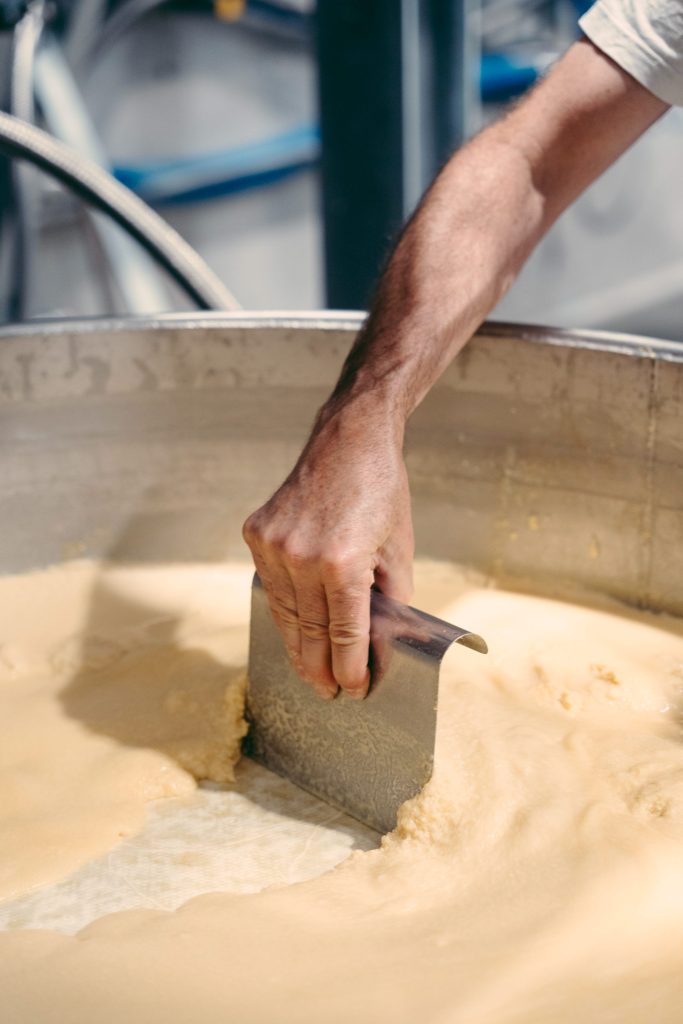
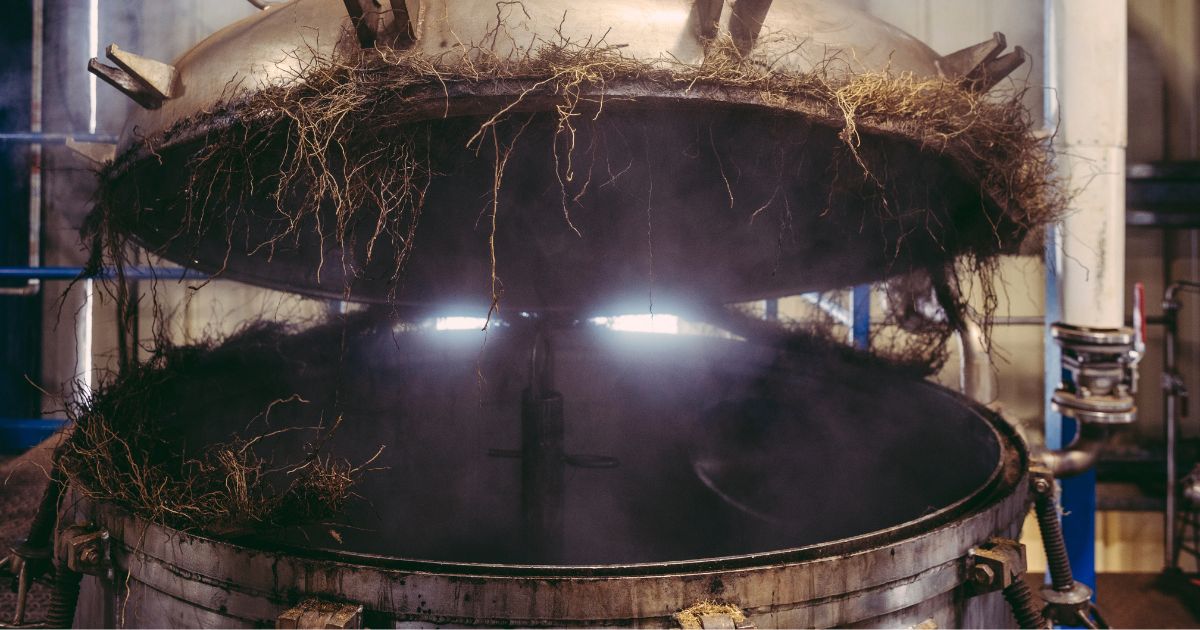
For centuries distillation in its various forms – turbo, hydro and steam – has been used to extract aroma compounds from aromatic plants, and it remains a mainstay of natural ingredient production. Co-distillation offers a contemporary take on this long-established technique. Rather than distilling a single raw material, co-distillation involves several ingredients interacting during a single operation to create a brand new olfactory profile. Symrise usually applies this approach to materials that have already been processed – essential oils, absolutes, and resinoids – and then undergo a second operation using fractional distillation. The different fractions obtained are analyzed, selected, then put back together to construct the desired profile. “The goal is to obtain a more nuanced result than if we were simply combining materials after their extraction,” explains Benoît Join, Director of Natural Resources and Oral Care at Symrise.
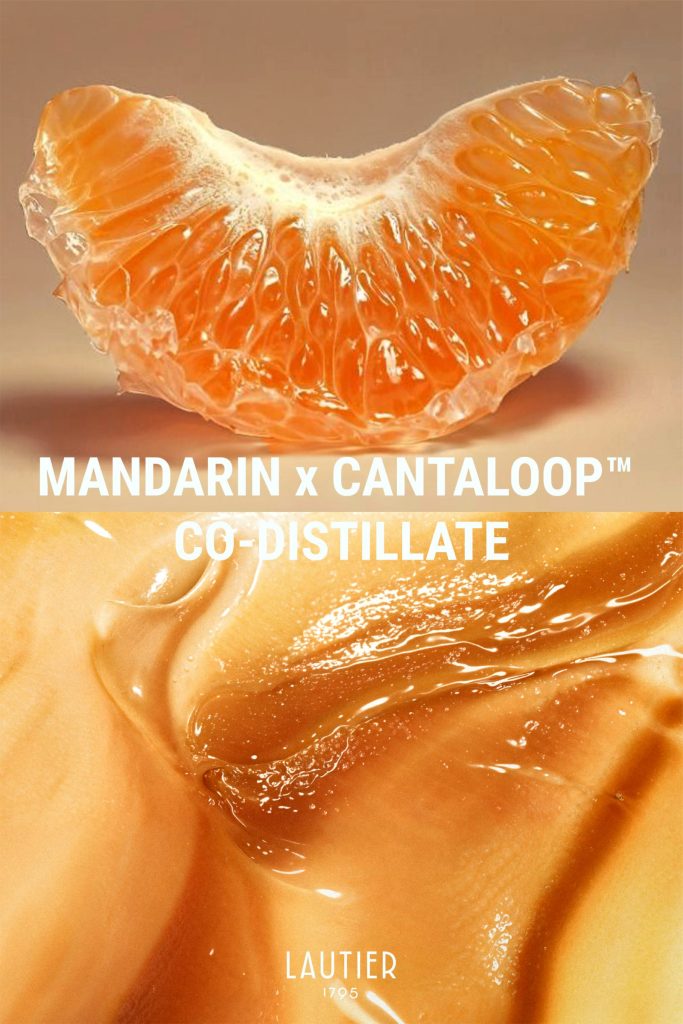
Mandarin Oil Madagascar x Cantaloop™ Co-Distillate provides a perfect illustration of this approach. A mandarin essence is teamed with a captive – a synthetic molecule – developed by Symrise that evokes cantaloupe melon. The co-distillation process brings out a new olfactory signature where the zesty freshness of the citrus is enhanced by an aqueous, gourmand facet redolent of ripe fruit. The result corresponds neither to a classic mandarin essence nor a simple fruity accord. It is a material in its own right, capable of lending a composition a distinctive identity. In this way, the process turns a traditional method into a new creative playground.
Cold Process: protecting rather than transforming nature
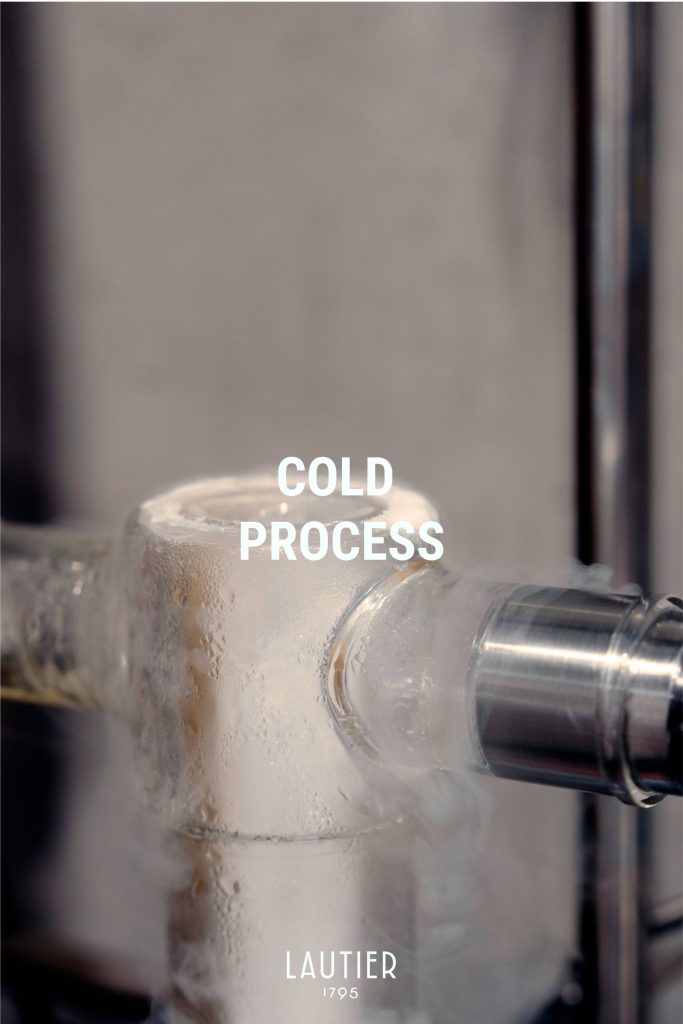
While some innovations are designed to create new profiles, others aim for extremely limited interventions on raw materials to preserve their characteristics. Citrus essential oils are some of the most sensitive ingredients. Heat can alter a number of their most delicate nuances, while oxidation gradually changes their color and olfactory profile. Removing color from essential oil traditionally relies on a heat distillation process. To get round this problem, Symrise developed Cold Process, a proprietary technology that works at room temperature. “We wanted to avoid heating the material to preserve all the essential oil’s nuances and subtilities,” explains Benoît Join. “The goal is to remain as faithful as possible to the original ingredient.” The process is based on a filtering system whose pores are calibrated to retain the compounds that give materials their color. Depending on the ingredients, these may be natural pigments, vegetable waxes, or molecules produced by the effects of oxidation.
In Grasse, this technology is now applied to an elegant mandarin obtained from an Italian cold-expressed essence. The result ensures the fruit’s characteristic freshness remains intact, expressing a zesty, tangy and luminous facet that echoes a mandarin pressed using traditional methods. “As far as we know, we’re the only ones using this filtration technique for removing color,” says Benoît Join.
Yellow Boletus Re-Extract: exploring new sensory territories
Innovation can sometimes reveal itself in unexpected places. On our plates, for example. In an industry first, Symrise’s Yellow Boletus Re-Extract introduces an ingredient based on the yellow boletus, a mushroom native to Asia, originally developed by the company’s Flavor & Beverage teams. “We had a material that made an excellent starting point,” says Benoît Join. “The olfactory profile was extremely interesting, but the product was too dark and contained compounds incompatible with perfumers’ formulation constraints, like proteins and glycosides.” The initial extract was strongly colored with a composition containing high concentrations of proteins and other compounds that limited its use. The Symrise teams then developed a solvent re-extraction process, an operation followed by meticulous filtering, to render the material suitable for use in fine fragrances. “We retained the olfactory profile that made the extract so attractive, while eliminating the problematic elements,” explains Benoît Join. The result opened up almost totally uncharted territory, what could be described as a revisited moss accord with vegetal and gourmand aspects. “The ingredient possesses a distinctive umami facet, combining damp undergrowth, fresh mushroom and soy sauce, which blurs the line between flavor and fragrance.”
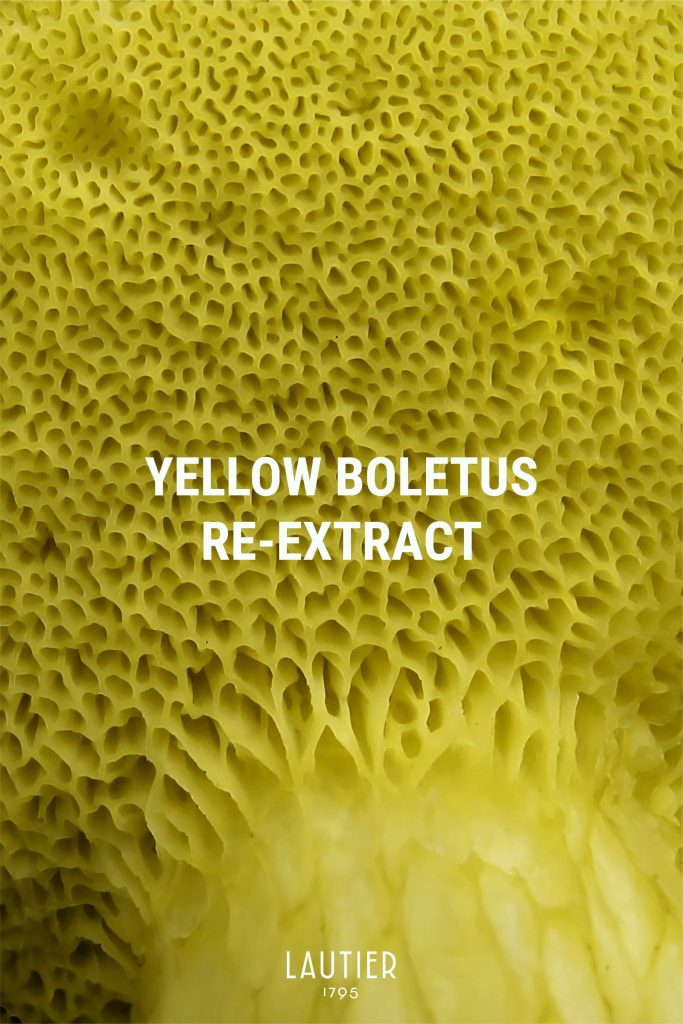
This approach has inspired other developments. Benoît Join mentions an extract of Madagascar cocoa obtained by distilling bean husks after roasting. Since it was a little too pasty to be compatible with perfumery needs, it was reworked, including by eliminating the polysaccharides responsible for the thick texture. Yellow Boletus is the forerunner of a whole new family of ingredients that could emerge at the crossroads of the worlds of taste and smell.
When tradition fuels innovation
From distillation methods with a multi-century track record of use in Grasse’s workshops to newly developed proprietary filtration and re-extraction processes, the tools are constantly evolving. Even so, their purpose remains the same: to reveal the olfactory potential of natural raw materials. Provided always that their origins are unimpeachable. “Technology doesn’t replace a resource’s quality. It simply helps us bring out its full potential,” notes Benoît Join. Innovation in perfumery, drawing on expertise built up over centuries of practice as well as increasingly sophisticated processing technologies, is rooted not only in the discovery of new materials but also in the many ways they can be brought to light.
Visuals by Clément Savel








Comments