Cette publication est également disponible en :
 Français
A historic format in luxury perfumery, the extrait has long embodied the very essence of fine perfumery. Its decline in favor of eaux de toilette and eaux de parfum, followed by its recent return to prominence, reflects a shift in consumer habits as well as an era that values power and intensity.
There was a time when the generic term “parfum” was synonymous with its most intense and prestigious olfactory form, which we now call the extrait. At the end of the 19th century, Western perfumery entered the modern era and embraced hedonistic luxury. It evolved from a craft practiced by perfumers to a conquering industry; synthetic chemistry considerably expanded its palette and vocabulary. The great houses of the era, from Guerlain to Houbigant, then Coty and Caron in the early 20th century, set new standards for fragrance. They invented mysterious names, paid meticulous attention to bottle design, created recognizable signatures and imbued their creations with a rich imagination. Before fashion designers fully embraced this realm, following the path pioneered by Paul Poiret and later cemented by Chanel, modern perfumery had already established its own language. The “extrait” was the benchmark form, the fragrance in its most refined expression, the one that embodied a house’s prestige.
A few drops of a dream
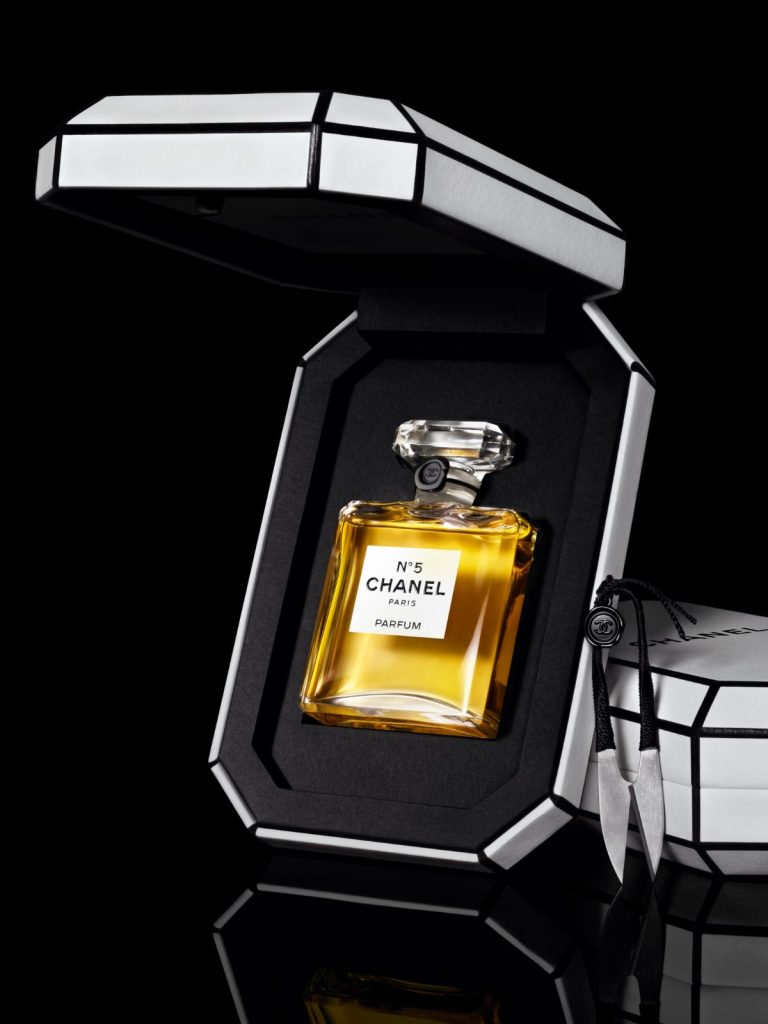
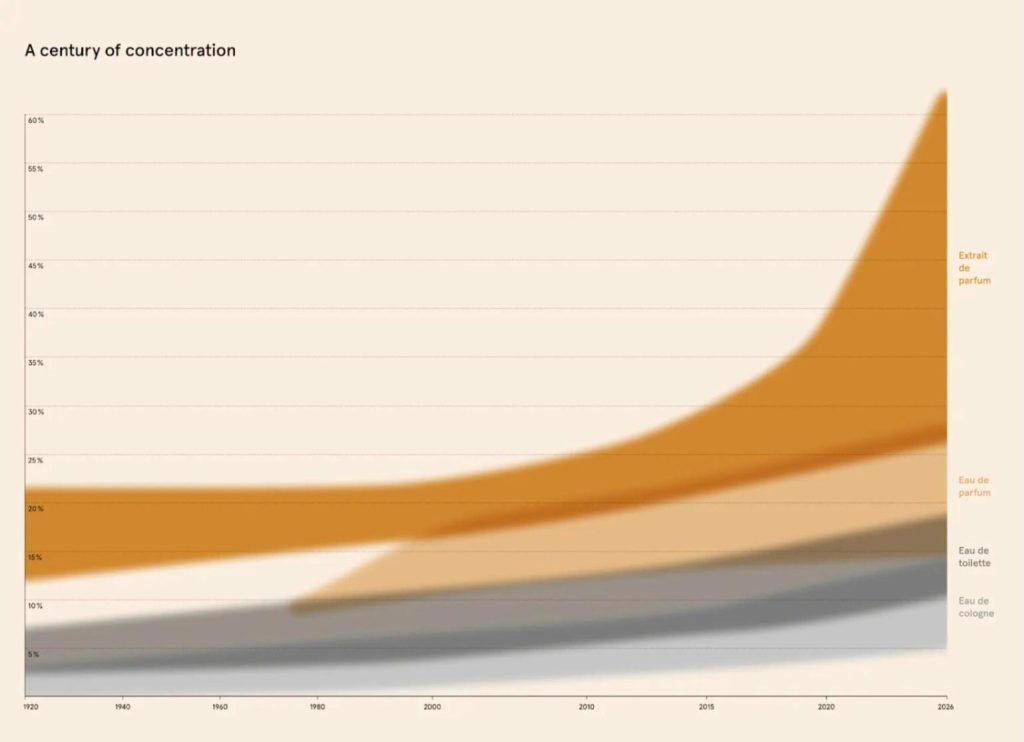
Compositions were thus first conceived in this high concentration, which historical classifications generally place at around 15% to 20%, sometimes less and rarely more. Yet this figure says little on its own. A classic extrait derives its beauty above all from the selection of the finest ingredients – in the case of No 5, Chanel still reserves Grasse jasmine and May rose for it today – but also from its olfactory depth, the harmony between the notes and the richness of the scent as a whole. Eaux de toilette and eaux de cologne, meanwhile, served as extensions of the line, offering the same creation in a lighter form. The formula was reworked to preserve the fragrance’s identity while imparting greater freshness. In this context, the term “cologne” referred to the lowest concentration within a range, rather than a fragrance centered on citrus and aromatic notes. The size of the bottle also spoke to the rarity and preciousness of the extrait, most often available in small sizes: 7.5, 15, 30 or 60 ml. Beyond that lay extravagance, that of exceptional pieces and ceremonial bottles. Thick glass often gave way to crystal; an emery stopper sealed the bottle, while the traditionally flared neck ensured both tamper-proof security and airtightness. The extrait also had its own ritual. It was applied in small dabs with a finger or the bottle’s cabochon, behind the ear, in the hollow of the neck, sometimes on the wrists, and even more often on a fur lapel or lining. It was thus intended for a social and economic elite for whom propriety mattered as much as refinement. Contrary to popular belief, its scent trail remained intimate. During the first half of the 20th century, social norms demanded restraint, and a scent that was too overpowering would tip elegance into the realm of the questionable.
An introduction into everyday life
A shift began to take place in the late 1960s. With the postwar economic growth and the resulting rise in purchasing power, the fragrance industry began to democratize. Women’s magazines and television brought images of beauty into homes with which a broader audience could now identify. The post-1968 generation viewed their parents’ bourgeois rituals with less reverence and associated perfume with a form of freedom, pleasure and seduction in everyday life. Sales of eaux de toilette skyrocketed. More accessible, available in generous-sized bottles and often equipped with a spray, they met the new desire for a simpler, more spontaneous use of fragrance.
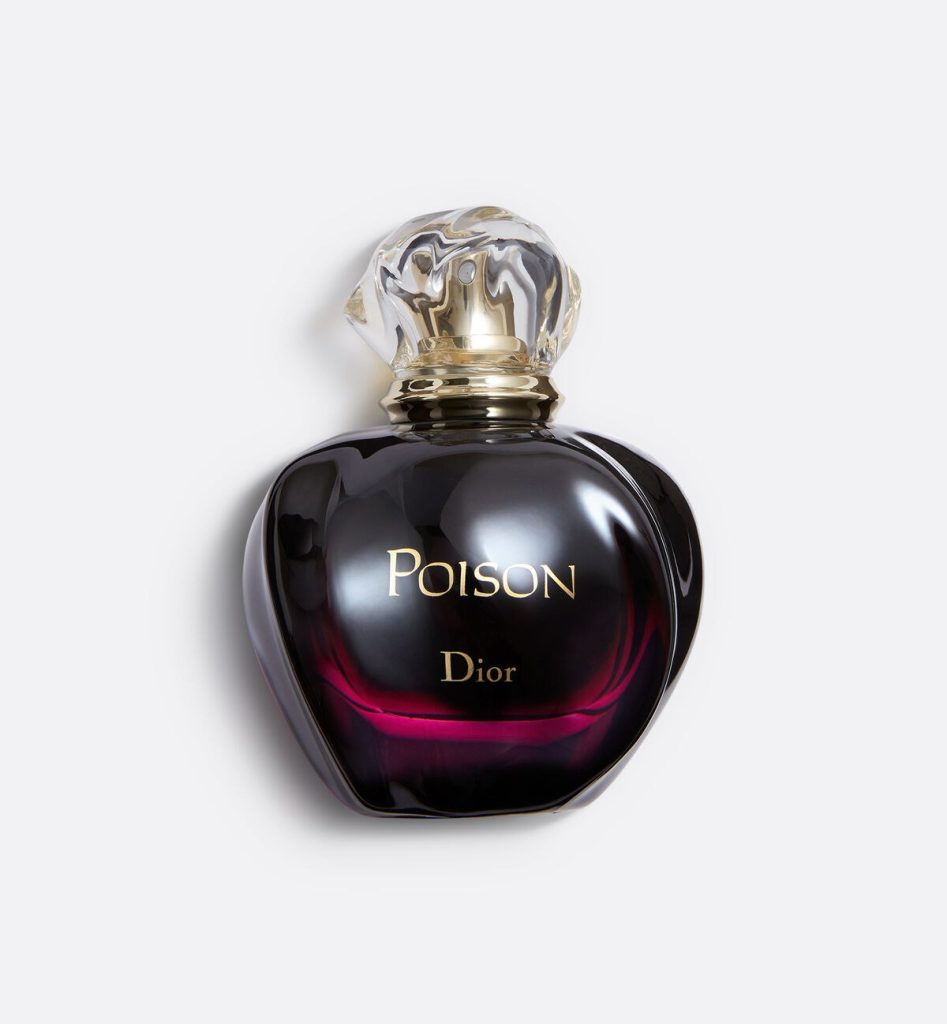
Starting in the 1970s, to bridge the gap between extrait de parfum and eau de toilette, fragrance houses introduced intermediate concentrations that would permanently transform the market. Parfum de toilette, esprit de parfum, eau de parfum… The names varied from brand to brand, but the concept remained the same: to offer greater concentration and a more luxurious feel than an eau de toilette, in sizes generous enough for regular use. The 1980s cemented this shift. Following Yves Saint Laurent’s Opium, launched in the late 1970s, Dior’s Poison (1985) embodied the aspirations of an era confident in its success and fascinated by social exuberance. Its theatrical sillage – even in the eau de toilette, the best-selling version – of a magnitude that was uncommon at the time, set the tone for an entire generation of maximalist fragrances. Intensity was now achieved through the very composition of the formula, through the olfactory impact of the ingredients as much as through their proportions. An eau de toilette could produce the effect of opulence, richness and longevity once associated with the most noble forms of perfume. While it retained its prestige, the extrait was no longer the center of attention. It became increasingly rare, more closely associated with the great classics and sold as a precious gift. This shift even altered everyday language. As early as the 1990s, eau de parfum established itself as the market standard to the point that, in stores, asking for “the perfume” often means choosing this concentration rather than the eau de toilette. On the other hand, likely because it was coded as feminine, it remained a niche offering in the men’s fragrance category. This market still largely featured eaux de toilette, sometimes complemented by concentrated or “extreme” versions, even as a few exceptions began to pave the way, notably Guerlain’s Héritage (1994) and Yves Saint Laurent’s Opium pour homme (1998).
Abundance and its downside
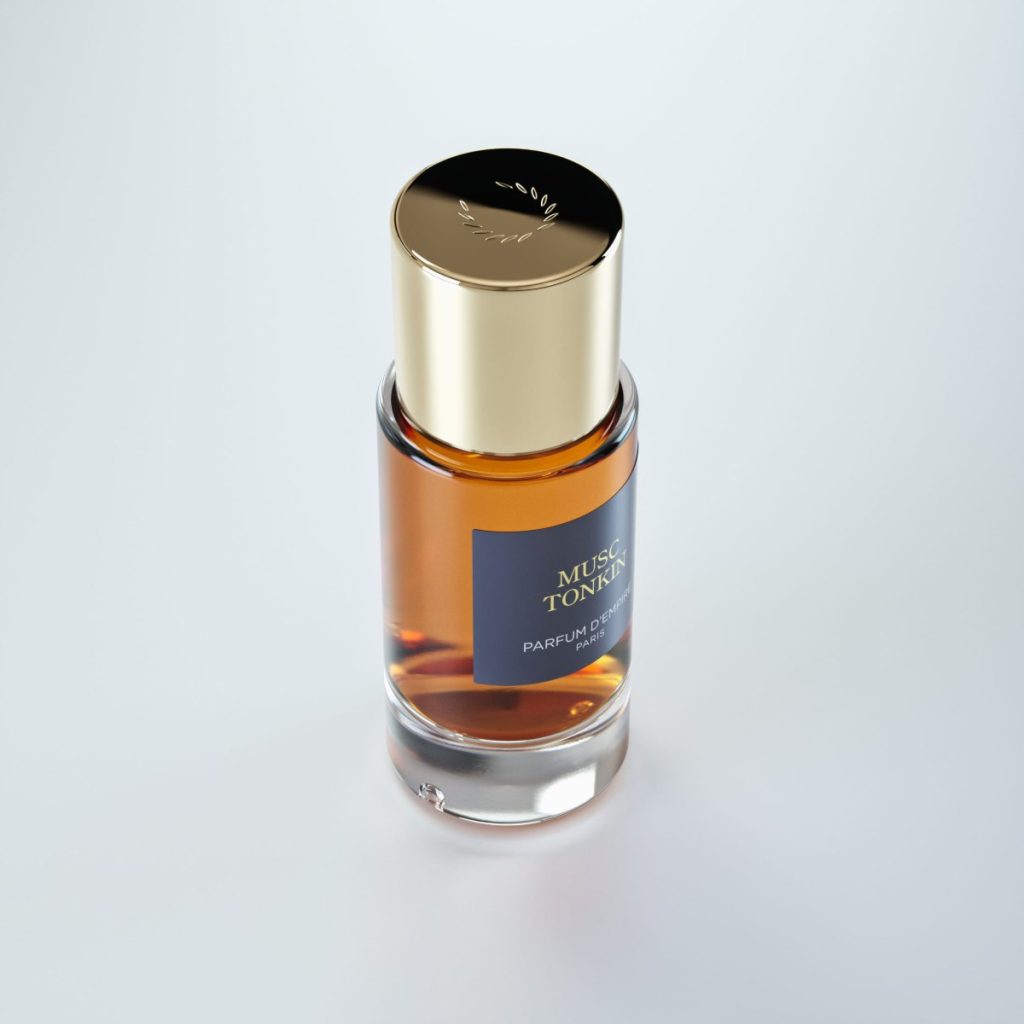
By the end of the 20th century, the fragrance industry had fully embraced globalization. New launches multiplied, designed from the outset for the international market and backed by consumer testing aimed at ensuring that scents would quickly appeal to the widest possible audience. Perfume also targeted a younger clientele, while flankers extended major successes through a series of variations. Olfactory trends accompanied this widespread democratization. Fruity florals and gourmand scents proliferated in accessible, instantly appealing forms. Fragrance thus took on the characteristics of a mass-market product. Over time, it became commonplace. In response, a segment of the public turned to what conveyed a sense of a rare or discerning choice. This is where niche perfumery finds one of the reasons for its major boom in the 2000s, soon followed by the private collections of the major houses. Around these collections, a discourse of sophistication reemerged, in which the quality of ingredients, the rarity of compositions, and the names of perfumers – long kept in the shadows – became major selling points. Within this landscape, a few rare independent houses, readily embracing the codes of classic haute perfumery, took a particular interest in extraits. Vero Profumo paved the way as early as 2007 with its first collection consisting exclusively of extraits created by Vero Kern. Others, particularly in Italy, continued this trend throughout the 2010s, such as Filippo Sorcinelli, Nasomatto and Francesca Bianchi. Parfum d’empire launched the extrait de parfum of Musc Tonkin in 2012; Nishane, founded in Istanbul that same year, placed the extrait at the heart of its identity; and Perris Monte Carlo began offering its eaux de parfum as extraits as early as 2015. Here, the extrait serves as a kind of manifesto, a way of cultivating a certain appreciation for tradition. Among the major houses, some also continue to nurture this culture. Chanel remains the most obvious example, with a wide range of extraits associated with its great classics, from No5 to Bois des îles, Cuir de Russie, Gardénia and No22. In 2014, the house extended this approach to more recent creations from the “Exclusifs” line (Beige, Jersey and 1932), which were in turn released as extraits. This serves as a reminder that this format, though less commonly used today, retains its undiminished prestige at Chanel. Starting in the 2010s, the success of niche perfumery and its codes ultimately led the entire fragrance industry on a new quest for perceived value.
The grammar of amplification
In the selective segment, this move upmarket takes the form of a general trend toward “nectarization.” “Absolu,” “élixir,” “essence” and “eau de parfum intense” make up a new grammar of amplification, first appearing in the women’s section before spreading to the men’s. These terms do not correspond to specific regulatory thresholds; each house uses them according to its own formulations and product line hierarchy. Their desirability stems from the promise of an enhanced experience. The phenomenon is gaining traction at a time when longevity and sillage rank among the top criteria for evaluation. This expectation also reveals a deeper driving force. Through online reviews, social media and collections displayed like olfactory wardrobes, perfume has become one of the major contemporary languages of self-expression. It shapes one’s self-image and the way one wishes to be perceived and recognized. In short, “I smell, therefore I am.”
A return to favor
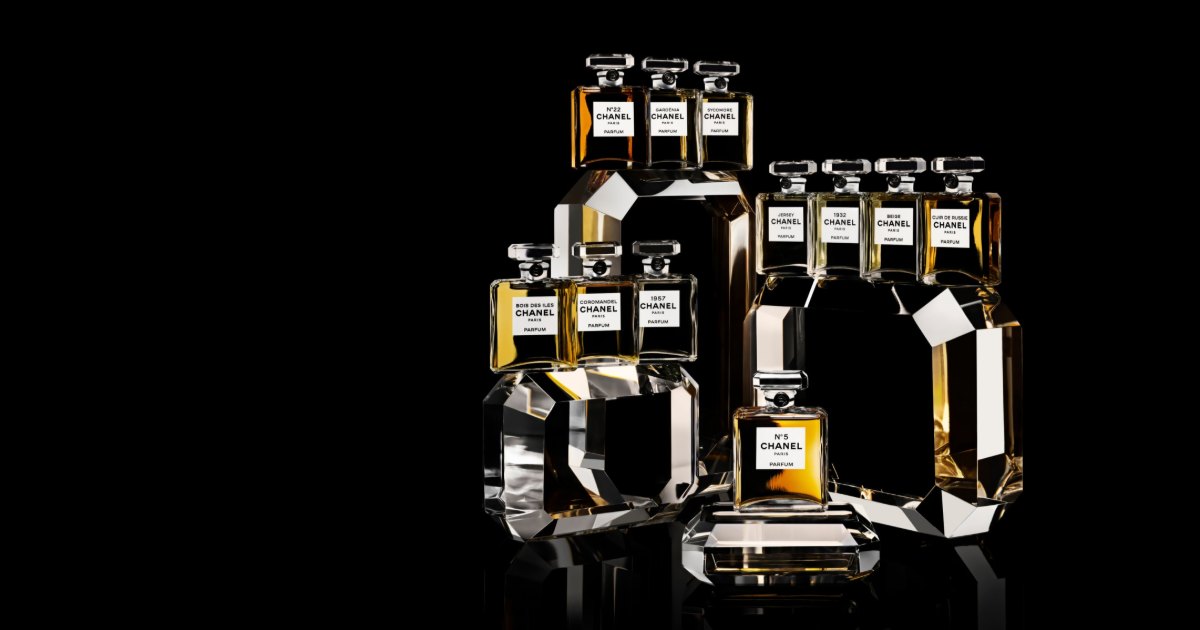
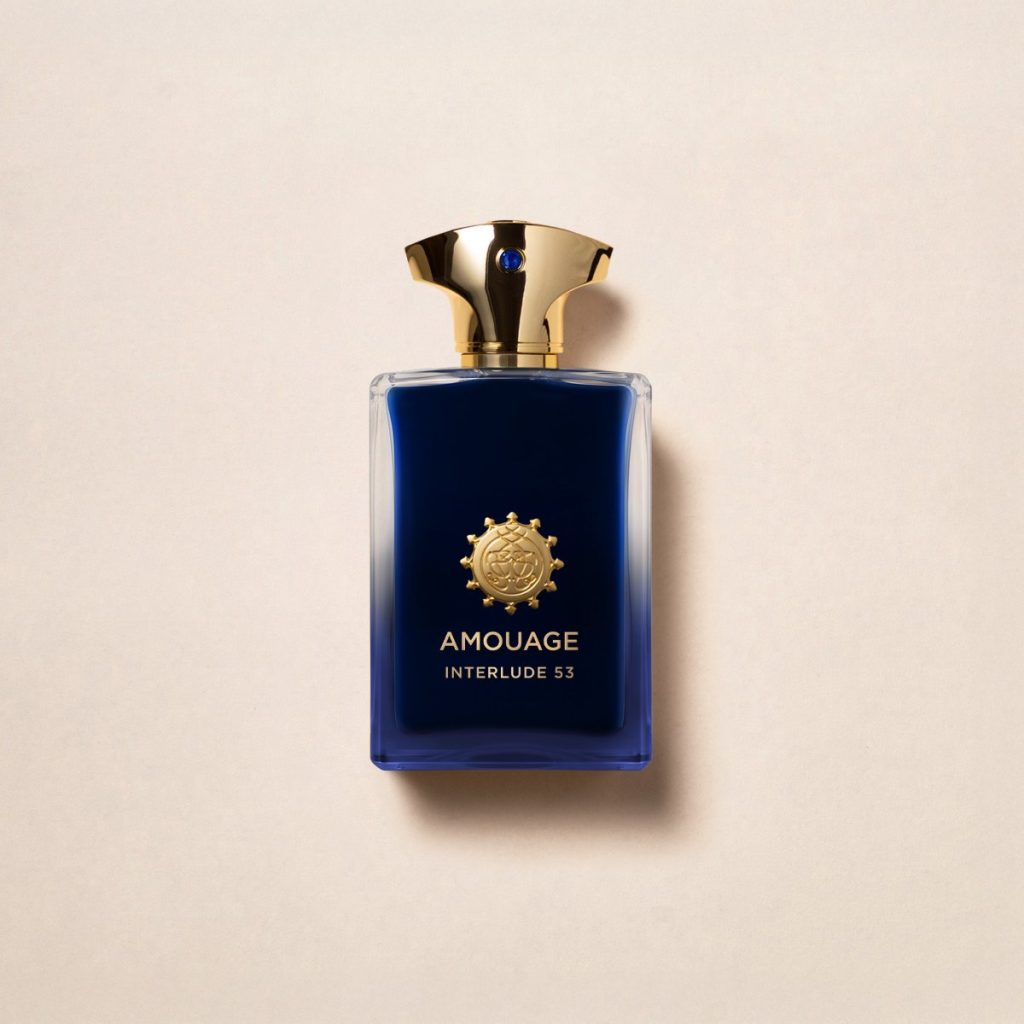
The stage was then set for the grand return of the extrait – in niche markets, private collections and in major selective retail channels, including those for men’s fragrances. The “parfum” category no longer refers solely to the small bottle applied in small dabs but now also extends to generous sizes. Since the pandemic, the trend has clearly accelerated, and the major houses are reviving a prestigious concept of the extrait de parfum: that of a creation elevated to its highest level of ambition. Contemporary extraits also often push the concentration far beyond historical norms, in line with market expectations. In 2020, Amouage exemplified this with its “Exceptional Extraits,” which reimagines some of its iconic creations as extraits. From Dia 40 Woman to Epic 56 Woman, Guidance 46 and Interlude 53 Man, each number indicates the concentration. That same year, with the “Les Extraits” collection, Louis Vuitton asserted an aesthetic vision: The great classical themes of perfumery are stretched and reinvented within a new architectural framework. The sculptural bottles, designed by Frank Gehry, further extend the idea of movement and distortion. Over at Guerlain, the “Extraits Signature” line, part of the “L’Art & La Matière” collection, evokes the Guerlinade and its signature ingredients in compositions concentrated at 30%. Here, the “extrait” embodies a sense of lineage. The latest development, the Chanel Grand Parfumeur project, reaffirms the house’s authority in a field it has cultivated since its inception. From No5, launched in 1921, through to 1957 – now available as an extrait – this olfactory form holds a prominent place at Chanel and runs through the house’s history with rare continuity. These extraits, available in 30 ml bottles, mark a return to a generous presentation. A historic format for perfume, the extrait is once again becoming one of its most contemporary expressions.
This article is taken from the book What Is Concentration?, published by Nez in collaboration with Amouage as part of the Studies by Nez series.
Featured image: © Chanel






Comments