Cette publication est également disponible en :
 Français
Frankincense is one of the world’s oldest fragrances, straddling the mystical and the sacred. It was used to make kyphi, the olfactory preparation used in ancient Egypt to enter the divine realm, and was widely burned in ancient temples and places of prayer. Olibanum has also been present in Christian churches for many centuries and retains its important role in orthodox rites to this day.
Editorial partnership
Modern-day perfumery approaches it with great caution and equally great delight. For the fact is that olibanum’s rich diversity of olfactory facets makes it an inexhaustible source of inspiration for creators. Fresh yet balsamic, green yet resinous, dark yet light: Everything about frankincense is an oxymoron. The direction it takes hinges on the choice of its essential oil, fresh, peppery, terpenic and camphoraceous, or its resinoid, voluptuous, profound and persistent. Olibanum can thus deliver an earthy minerality to woody formulas while simultaneously introducing a natural and sophisticated freshness.
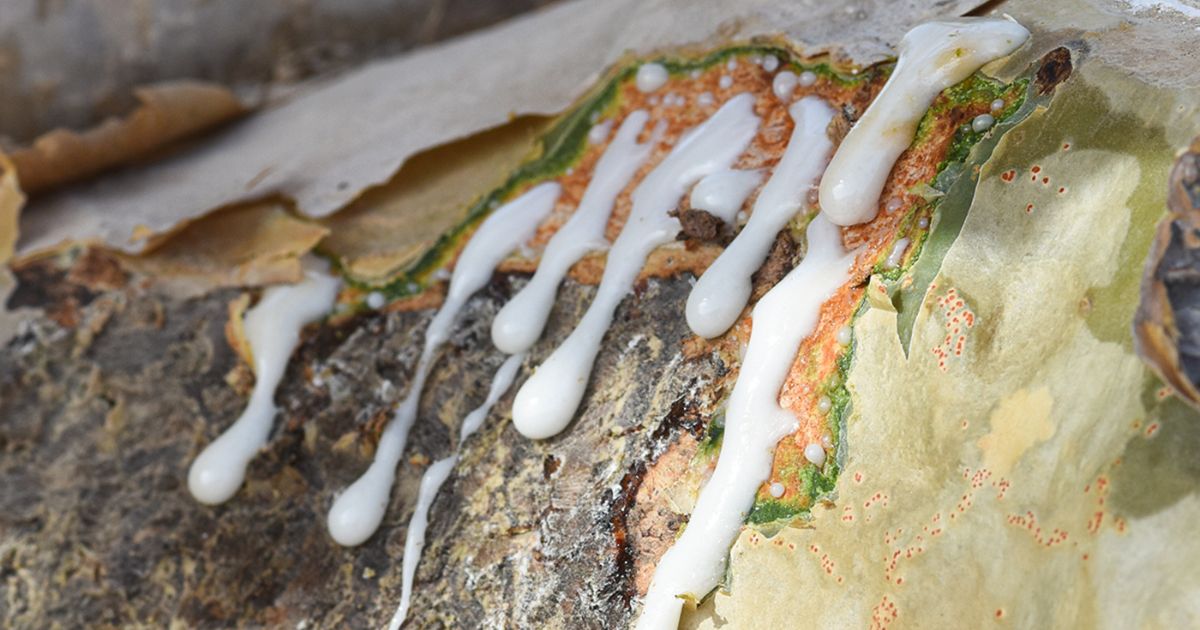
Amouage has made frankincense one of its signature ingredients, along with rose and ambergris. The invigorating note plays many different roles: illuminating a forest with a ray of sunlight (Boundless by Karine Vinchon Spehner); accompanying mandarin in an ambery accord (Opus XV King Blue by Alexis Grugeon); and jostling with a Damask rose in the midst of a host of spices (Epic Woman by Cécile Zarokian). Frankincense is what provides texture and depth to Guidance: Quentin Bisch, its creator, first encountered it as a child at a Christmas market and considers the perfumery ingredient to be “magic” and “mysterious.” To this day, a smoky waft of frankincense sends him into a meditative state filled with peace and inspiration. Pierre Négrin also finds himself projected back into childhood, in a church in his hometown of Grasse: “Olibanum is a noble material. Frankincense trees inspire respect because you sense the suffering of a plant that grows in a desert region to which it had to adapt. It’s said that the tree cries and we call the resin it produces frankincense tears.”
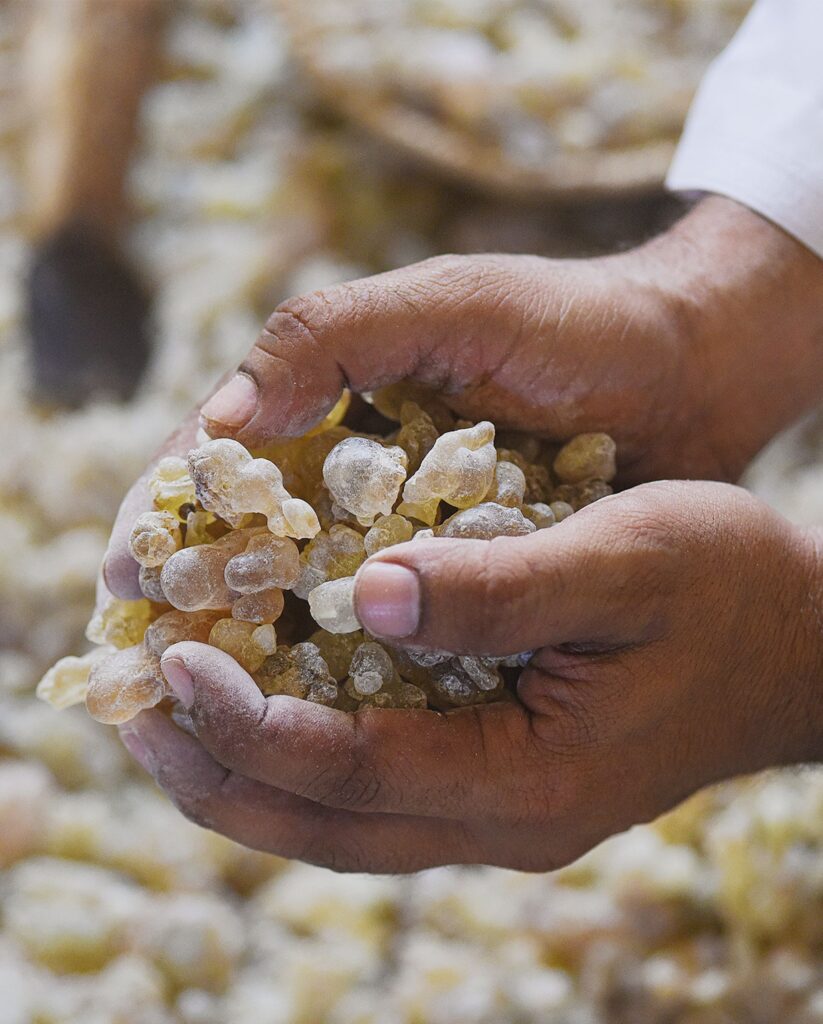
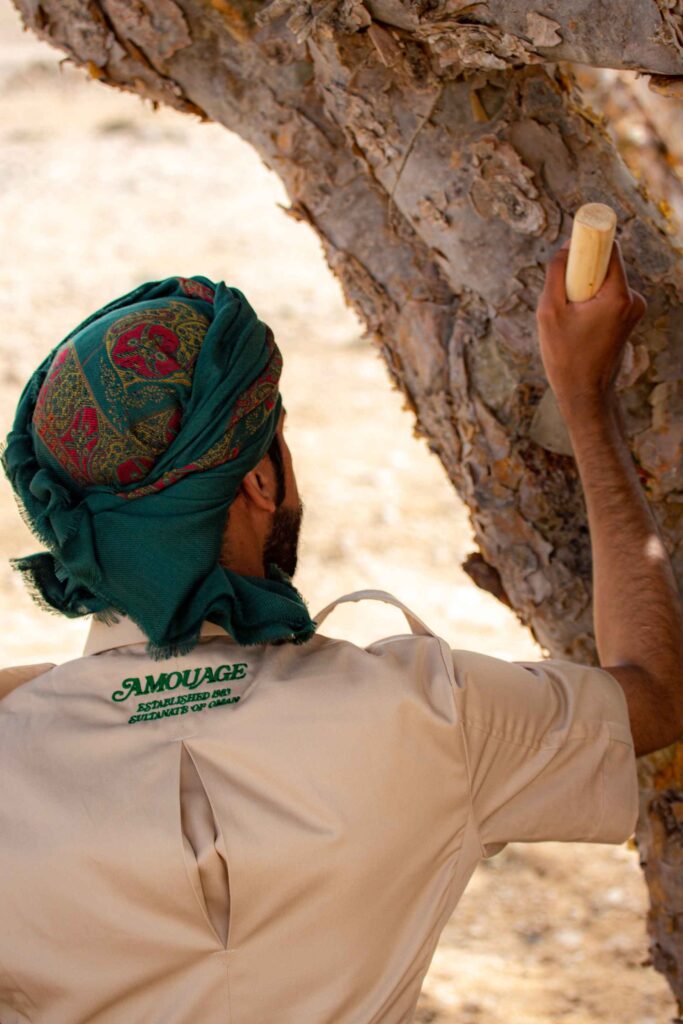
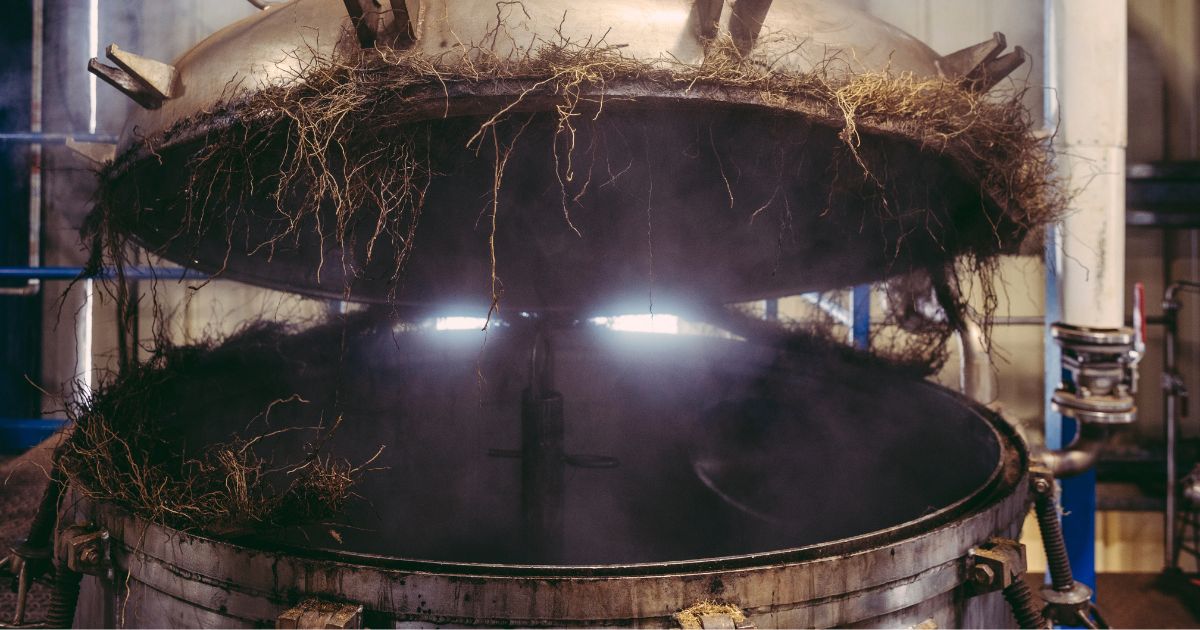
The DSM-Firmenich perfumer has created no less than 13 fragrances for Amouage bearing the mark of his passion for frankincense in all its forms. “It’s an ingredient that delivers a freshness that’s more mysterious than lemon, which is functional, and ginger, which is a food.” It can be teamed up with “transparent musks as well as a cedar or patchouli,” explains Pierre Négrin. One example is his Portrayal Man, a very green fragrance centering on violet leaf, spices and woods. Pierre Négrin was chosen by the brand founded by the Omani royal family to oversee the quality of frankincense harvested in Wadi Dawkah, one of four UNESCO World Heritage Sites in the Sultanate, whose first trial harvest of frankincense for perfumery began in September 2023. “Whenever I smell an essence crafted from Omani resin, with its terpenic and slightly peppery notes of lemon, I have the sensation of plunging into a bottomless crater. This is a frankincense with a unique profile, and it can play every role in an olfactory composition,” he says.
The frankincense for Journey Man rubs shoulders with notes such as Sichuan pepper and cardamom: “From an olfactory point of view, it combines freshness and voluptuousness.” Olibanum makes a strong impression in Interlude Man, a fragrance designed to describe a profoundly chaotic world in transition. To boost the effect, Pierre Négrin enveloped it in powerful notes of oud, cistus and Ambrox, using the essence with its “pine needle” smell as well as the resinoid “closer to a labdanum or cistus absolute.” Cécile Zarokian is another frankincense enthusiast. The independent perfumer is equally fond of olibanum essence, with its aromatic freshness, and the resinoid, with its “warm, smoky, resinous” facets. “There are no limits on how it is used,” she insists. “Frankincense can be paired with woods as well as flowers.” With rose and jasmine, naturally, “and why not with a tuberose?” she says, thinking out loud.
The perfumer is, however, well aware that the smell of frankincense can be divisive. That its character, so closely associated with the sacred, and all the memories of religious rites it sparks, can be off-putting. Her own first encounter with olibanum came in an Armenian Apostolic church in Marseille, the city where she grew up. “I discovered frankincense in the swirls of smoke and a grandiose setting,” she recalls. “The priests’ vestments, the men singing, the swinging incense burner, the whole magnificent ritual of Armenian churches.” When she next smelled frankincense as a perfumery student, it was a rediscovery. “I had kept my childhood impressions, and it was a revelation. So that’s what was being burnt in the church!”
Cécile Zarokian also knows that the aldehydes in frankincense can bring to mind a functional, technical type of perfumery. She likes to use creamy, ambery notes to soften certain smoky or aldehydic facets. In Epic 56, a variation on Epic Woman (her first fragrance for Amouage, created in 2009 and one of the brand’s bestsellers), she replaced Turkish rose essence with centifolia rose absolute and chose new spices like cinnamon, pink pepper, saffron and cumin: “I had to rework the entire balance of the fragrance to really bring out the explosion of spices.”
Every so often the perfumer likes to play with contrasts: In Opus XIV Royal Tobacco, her goal was to use smoke as a motif to link together the Sultanate of Oman and Cuba, two countries situated on the same parallel. The frankincense, combined with licorice, underpins the tobacco note, with its woody, spicy facets, nothing like traditional “fruity, honeyed” tobaccos. “I wanted to trace the path of a burning cigar, starting with the fresh tobacco leaf,” explains Cécile Zarokian. “With green notes for the opening followed by a spicy heart and smoky, resinous base.”
For Anchorage, a fragrance designed specially to perfume the palaces of the Middle East and which captures the essence of Amouage, Cécile Zarokian opted for essence of hojari, the highest grade of frankincense. The result reflects the “warmth and generosity” that characterize the Sultanate. The resin is “far more aromatic, zesty, even a little tangy, like a candy.” The luxury ingredient is encircled by floral notes evoking the rose that grows on the Jebel Akhdar plateau, while sandalwood accords create a comforting yet sophisticated mood. The choice of the very best elements echoes the important role that frankincense plays in Omani culture.
Visuals : © Amouage
Conception & Partnership Director: Mathieu Chévara
Film Director: Eléonore de Bonneval
Videographers: Ateeb Ali, Mulook Albalushi
Video Editor: Jean-Philippe Derail
Sound design: Perfecting Sound Forever
Title design: Vianney Bureau, Mikaël Charbonnier
Amouage: Renaud Salmon, Andras Komar, Johanna Ratti, Dominique Roques, Matthew Wright, Rayyan Alabdullatif, Maria Camino
Special thanks to Arielle Lauze.







Comments