Cette publication est également disponible en :
 Français
The golden isle lying in the Indian Ocean is where the red soil of Africa and the rice fields of Asia meet. A happy encounter that has given the island its unique botanical character: 90% of plants that flourish in Madagascar grow nowhere else in the world. Remarkably, no perfume plants are native to the island. But Madagascan soil is rich and fertile: everything thrives there, particularly perfume plants.
Editorial partnership
In the late 19th century, Madagascar became a new target for French colonial expansion and a testing ground for introducing essences. The Grasse-based perfumery industry took up residence there, using local production and creating the first ylang-ylang distilleries in Nosy Bé. Coffee trees, pepper plants and mimosa from Australia were soon being grown on the island, earning it the nickname of the “perfumed isle”.
The pace picked up in the early 20th century. In 1901, the first experiments growing vanilla imported from Mexico as well as cinnamon and clove were carried out in the Tamatave test garden on the island’s east coast. A hundred and twenty-five years later, the perfumed isle has become the world’s number one vanilla producer, exporting between 1,000 and 2,000 tonnes of pods every year – representing 80-90% of global production – mostly destined for use in food flavourings.
Today vanilla continues to play a central role in the local economy. In 2016, Symrise Madagascar launched a crop diversification program for vanilla producers. The income generated by the star spice has led to the creation of new perfume plant supply chains for products including geranium leaf, cinnamon bark, lemongrass stalks, vetiver roots, and ginger rhizome. By building sustainable partnerships with producers, distillers and nursey growers, Symrise Madagascar has secured long-term supply sources while introducing new essences to the house perfumers’ palette.
As part of this process, the curiosity of perfumers and creativity of the teams of experts Symrise set up on the island in 2006 has paved the way for exploring the use of new species of native plants in perfumery. One hundred years after the first botanical experiments, Madagascar is still a remarkable open-air laboratory. Teams of enthusiastic growers, horticulturalists, agronomists and botanists continue to scour the island for new olfactory possibilities that its flora may offer. They run a constant barrage of micro-tests, pilot projects and small-scale trials as they work on ideas developed with local producers in close collaboration with Symrise perfumers in Paris and New York.
Bay Saint Thomas: a new source
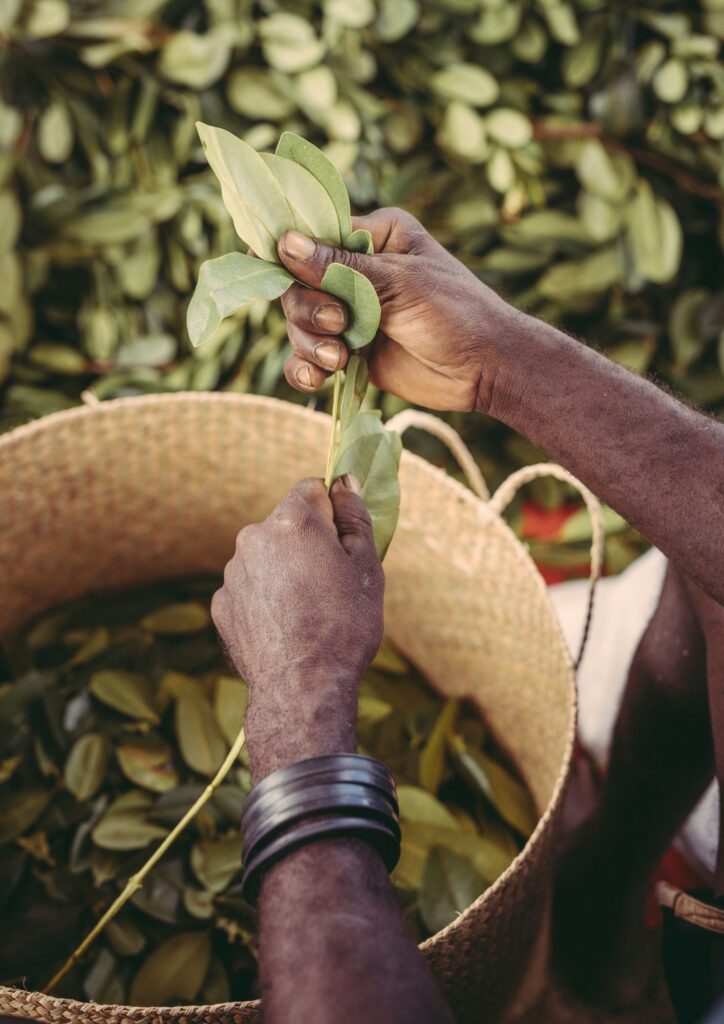
Essence of Bay Saint Thomas from Madagascar is an exclusive ingredient that joined the Symrise palette in 2022 and has already made a splash. Its warm, spicy and subtly gourmand facets could well tempt perfumers to use it as an alternative to eugenol if they want to turn up the volume of shy flowers or discreet woods.
The Pimenta racemose, known as bay, is a surprisingly tall shrub. The creole laurel whose leaves are distilled for use in perfumery can grow to a height of up to five meters. Once it reaches the age of two it has enough foliage for harvesting.
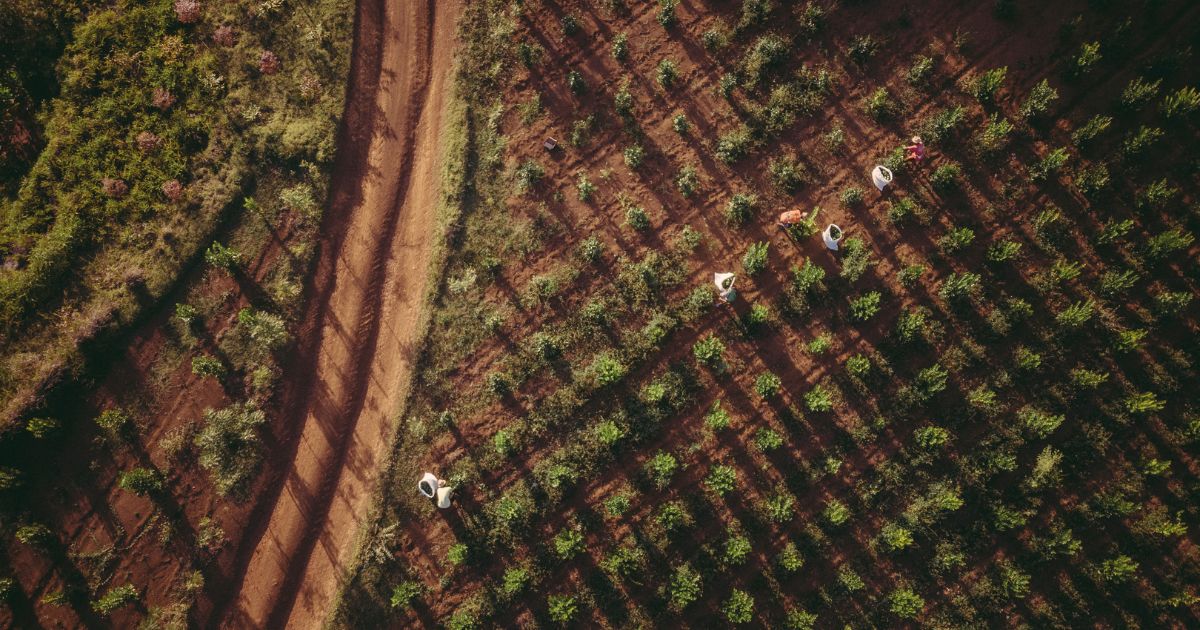
Bay was already grown in Madagascar on a small scale, with the leaf liberally added to stews to improve their aroma. However, devising the best process to produce the plant for use in perfumery was a real challenge. The Ferme des Hauts, twenty or so kilometers from Sambava, is where Symrise Madagascar has been building the supply chain in the Sava region since 2020. Almost 10,000 trees were planted across four hectares. Bay Saint Thomas thrives on the red clay land that keeps the soil moist when necessary.
Men harvest in the morning and women remove the leaves in the afternoon. Once the bay leaves have been picked they are transported to the foot of the still. During the season, up to 1.2 tonnes of bay leaves can be distilled every day on the Ferme des Hauts. Distillation takes three hours and provides a yield of 0.8%.
Global production of Bay Saint Thomas was the preserve of Dominica for many years. The hilly Caribbean island used to produce 80% of the world’s bay until a hurricane devastated the area in 2017, burying cooperatives and distilleries under torrents of mud. Since 2022, the Madagascan bay supply chain has served to reestablish the ingredient as an exclusive, artisanal product. It complies with organic standards and has Union for Ethical Biotrade (UEBT) certification, which attests to the absence of chemical products in the plant’s cultivation as well as the social value of its transformation process.
Patchouli: from leaf to essence
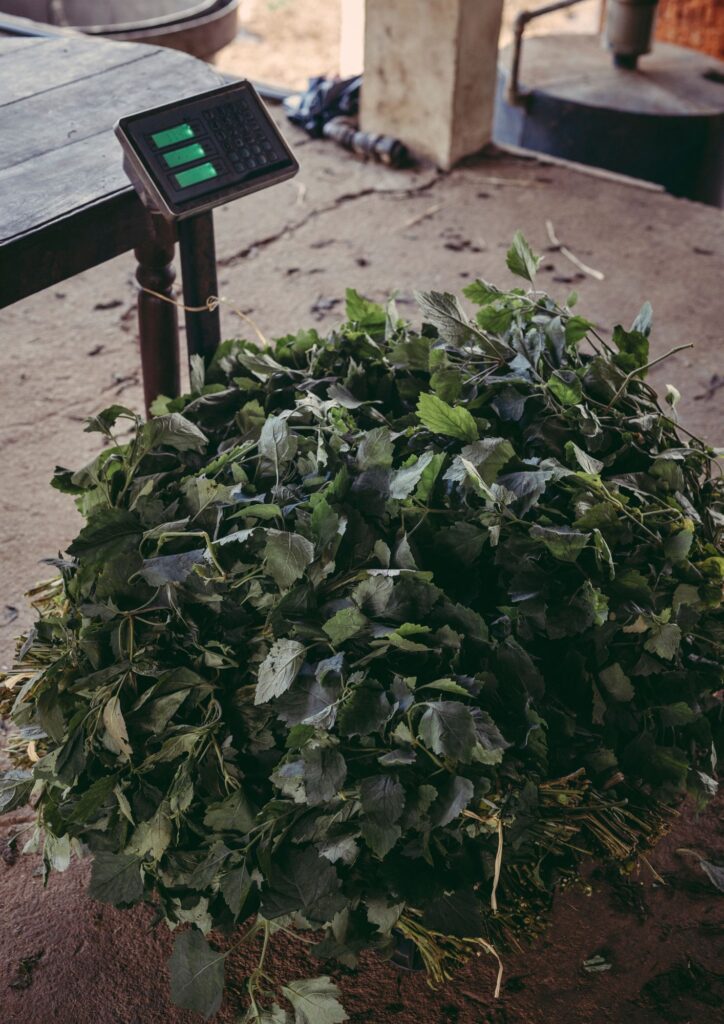
The patchouli essence Symrise Madagascar derives from Pogostemon cablin leaves has a cocoa-like, earthy, woody, animal, green and damp olfactory signature. A bewitching essence that joined the Symrise perfumers’ palette in 2023.
Patchouli is a heaven-sent plant for Madagascar. In agroforestry it has proved an ideal partner for vanilla, cocoa and coffee trees. The small shrub is planted using cuttings from May onwards, at a time of year when it is cooler. It is harvested for the first time seven months later, followed by three or four harvests each year. It is always picked by hand, by women, in the early hours of the morning.
After harvesting, the twigs are left to ferment for a few days once the women have evened out the stalks with machetes to prevent too much air from escaping during fermentation. This phase is crucial: patchoulol content alters under anaerobic conditions. When exposed to heat the patchouli develops powerful animal facets. Next is the drying stage, necessarily in the shade since the patchoulol evaporates in the sun.
The development of a fully traceable patchouli essence required over 200 tests to obtain a result the perfumers and experts in the field could agree on. The ideal period for steam distillation was finally set at between five and nine hours depending on whether stalks (2% yield) or only leaves (4%) are being distilled. The resulting patchoulol content is around 30%, a very positive result.
Madagascar patchouli has UEBT certification and uses environmentally friendly transformation processes that set it apart from its Indonesian competitor. On the island, patchouli is distilled in stainless steel, never in iron, avoiding the need for acidification using citric acid to eliminate iron from the essence. In addition, the essence is kept exclusively in glass bottles, guaranteeing the absence of phthalates.
Visuals : © Symrise / Romain Bassenne






Comments